
+1 (917) 352-1191
Phone number
info@tuckpointingnyc.com
Email address
2 W 46th St, New York, NY 10036
Address location
Cracks, staining, loose areas, and crumbling exterior finishes can make a building look poorly maintained before anyone steps inside. On highly visible facades, even a relatively small damaged section can affect the property's overall presentation. We restore traditional stucco and EIFS systems, addressing visible deterioration.
Request a Free Stucco Inspection

It addresses cracked, stained, delaminated, detached, or deteriorated exterior finish materials. Because the coating forms a continuous surface, you can't always treat damage as an isolated cosmetic defect.
A crack may allow water behind the finish, while a bulging or hollow-sounding area can indicate separation between layers. The process at NYC Tuck Pointing starts by identifying the condition and likely cause. The objective is to restore the damaged area while addressing conditions that could cause the same failure to return.
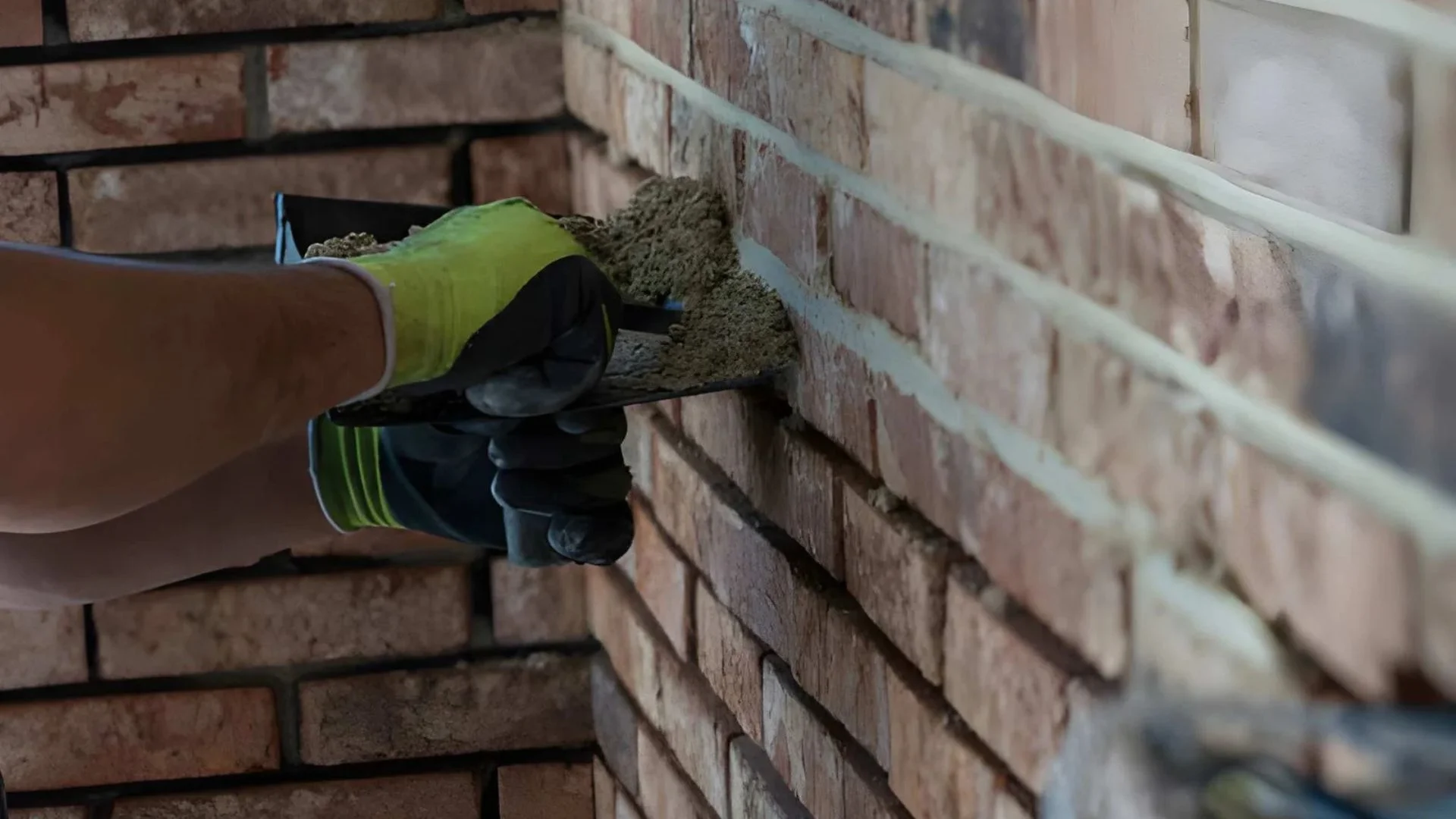
This is generally a cement-based finish installed over masonry, metal lath, or another suitable base. Older properties can contain multiple layers, previous patches, or areas with different materials from earlier work. Before restoring a damaged section, we determine how the existing finish is constructed and how far deterioration extends.
EIFS is a multi-layer exterior system that commonly incorporates insulation and a water-management component beneath the visible finish. When moisture enters this assembly, damage may extend beyond what you can see from the outside. Our assessment therefore considers the outer surface and the materials underneath it when there are signs of water intrusion.
A building's exterior creates an immediate impression during a showing or buyer walkthrough. Large cracks, dark staining, missing sections, and visibly mismatched patches can make an otherwise maintained property appear neglected.
Sellers preparing for market may therefore choose to address obvious facade defects before photography, showings, or inspections. Our service restores affected areas with attention to texture, profile, and finish.
Exterior cracks and failed sections can provide pathways for water to reach materials behind the visible finish. Once moisture enters the wall assembly, deterioration may develop behind the surface without immediately appearing elsewhere.
Signs such as staining, soft areas, bubbling, separation, or recurring deterioration can warrant a closer inspection. Where conditions indicate possible moisture intrusion, we assess the affected area before rebuilding it.
EIFS requires additional attention because the visible finish sits over insulation and other components that help manage water. A compromised barrier can allow moisture to reach the sheathing or other underlying materials.
For EIFS projects, our assessment therefore goes beyond surface appearance when evidence suggests moisture has entered the assembly. The resulting scope is based on what is actually found beneath the finish.
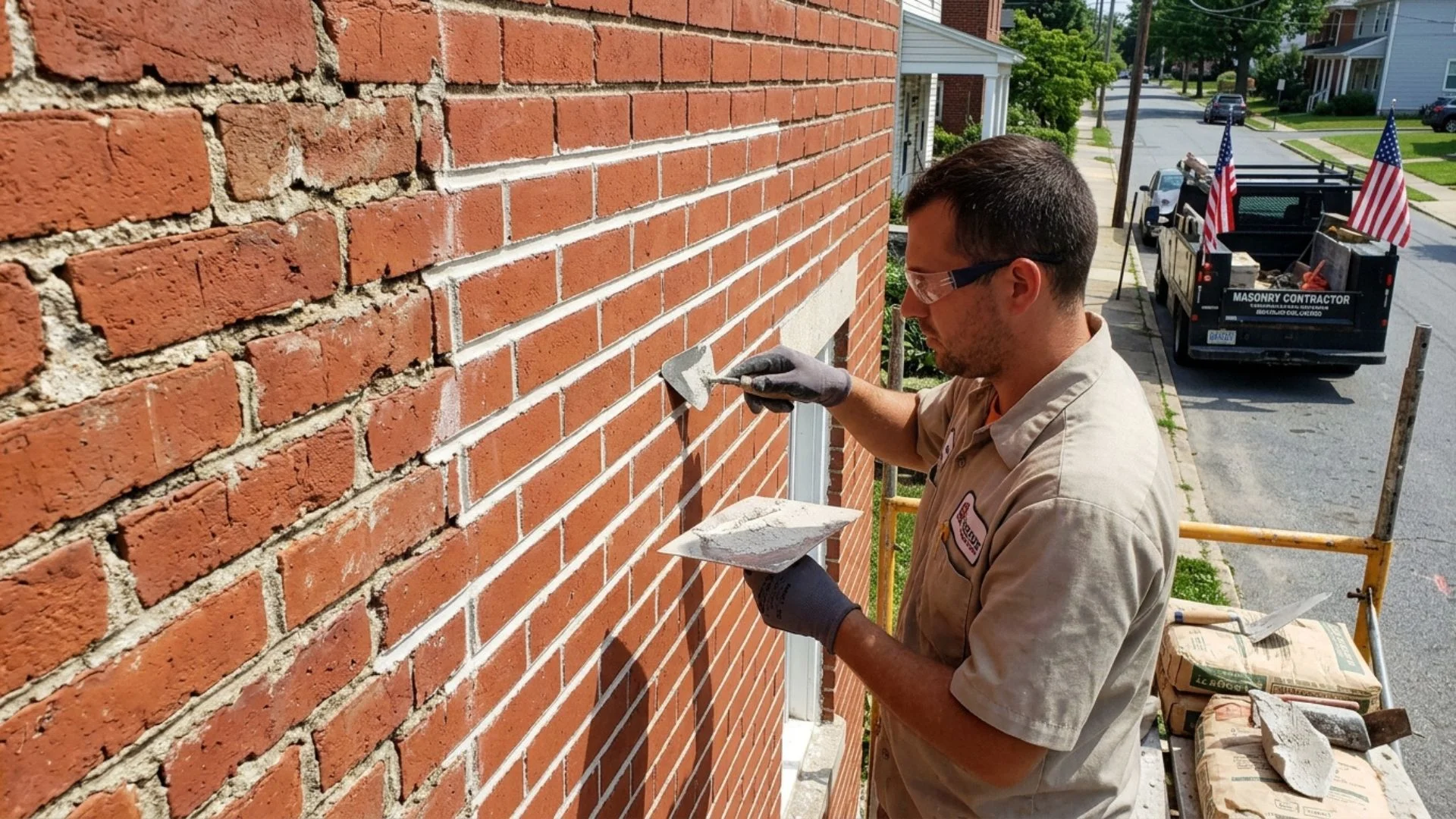
We examine cracks, stains, loose areas, delamination, impact damage, crumbling sections, and other visible defects. We also assess surrounding areas for signs that moisture may have moved behind the finish. On EIFS buildings, the inspection considers the possibility of problems within the underlying water-management system.
Loose or compromised material must be removed before the affected area can be properly rebuilt. We expose enough of the damaged section to understand its condition without unnecessarily disturbing sound surrounding material.
If removal reveals deterioration behind the exterior surface, those conditions must be corrected before the finish is restored. Depending on the wall assembly, this may involve addressing damaged substrate materials or restoring the relevant water-management layer.
Once the underlying area is sound and properly prepared, compatible material is applied to rebuild the affected section. The application method depends on the existing assembly and the type of finish being restored. We work to reproduce the surrounding texture, profile, and appearance.
After the work is completed, the area is cleaned and the finished section is reviewed. Photo documentation can be provided for property records, maintenance files, inspection reports, or pre-listing documentation.
The service is appropriate for properties where visible exterior deterioration needs assessment or restoration.
But remember..
The required scope depends on the condition found during the inspection rather than simply the size of the visible mark.
We assess and restore exterior finish systems on residential, multi-family, and commercial properties throughout Manhattan.
Property owners can request an assessment for cracked, stained, loose, or deteriorated facade finishes throughout Brooklyn.
We provide inspection and restoration services for affected exterior surfaces across Queens.
Our team evaluates visible deterioration and investigates potential moisture concerns throughout the Bronx.
Residential and commercial properties throughout Staten Island can request an exterior finish assessment.
A durable restoration requires more than matching a patch to the surrounding wall. The condition beneath the visible surface needs to be considered whenever signs point to moisture or substrate deterioration.
For brick-specific deterioration, see our Brick Repair service.
For protection following suitable exterior restoration, see our Masonry Waterproofing service.
Cracking can result from building movement, temperature changes, moisture intrusion, impact, installation conditions, or deterioration within the underlying assembly. On EIFS systems, problems with the water-management layer can contribute to moisture-related deterioration behind the visible surface.
Yes. The assemblies beneath the visible finish differ substantially. Traditional stucco may be installed over masonry or lath, while EIFS generally includes insulation and water-management components. Moisture-related problems therefore require different diagnostic and restoration methods.
They can. Water may enter through a crack or failed section and travel behind the visible surface before producing obvious signs elsewhere. If staining, soft areas, separation, recurring deterioration, or other warning signs are present, the affected section may need to be opened to determine whether moisture has reached the substrate.
Pricing depends on the size of the affected area, accessibility, existing wall assembly, finish requirements, and whether deterioration extends behind the visible surface. A localized surface restoration can have a very different scope from an EIFS project involving damaged underlying components.
We aim to match the surrounding texture, profile, and finish as closely as practical. The final result can be affected by the age of the existing surface, weather exposure, fading, previous coatings, and material availability. These conditions are considered when preparing the new section.
Visible facade deterioration can affect how a property is perceived during showings, inspections, and appraisals. Addressing obvious cracks, stains, crumbling sections, or failed patches before listing allows the exterior to present more consistently and gives owners an opportunity to investigate potential underlying problems.
Whether you're preparing to list soon or simply want to understand what is happening behind a damaged area, a professional inspection can identify the condition and the appropriate restoration scope.