
+1 (917) 352-1191
Phone number
info@tuckpointingnyc.com
Email address
2 W 46th St, New York, NY 10036
Address location
A horizontal steel support above a window or doorway carries the weight of the masonry overhead. NYC Tuck Pointing inspects, restores, and replaces deteriorated steel supports across all five boroughs. Our team addresses the source of the damage and helps property owners protect the surrounding structure.
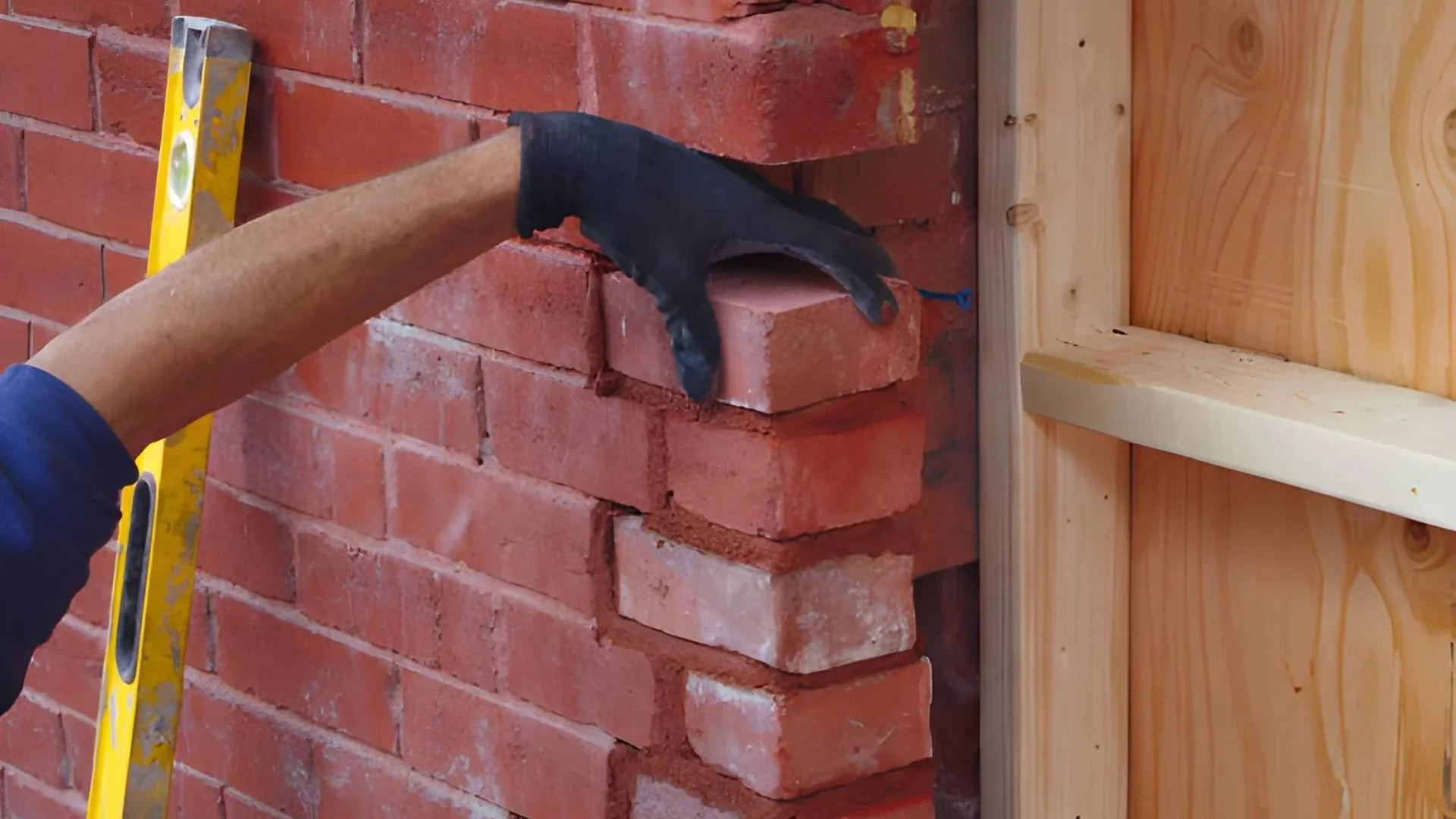
A lintel is a horizontal structural element, commonly made from a steel angle or plate, positioned above a window or door opening. It transfers the load from the masonry above to the supporting structure on either side.
Steel can deteriorate when exposed to persistent moisture. As corrosion develops, the resulting expansion places pressure on adjacent materials. This process, commonly called rust jacking, can damage joints and brickwork even when the steel itself is concealed.
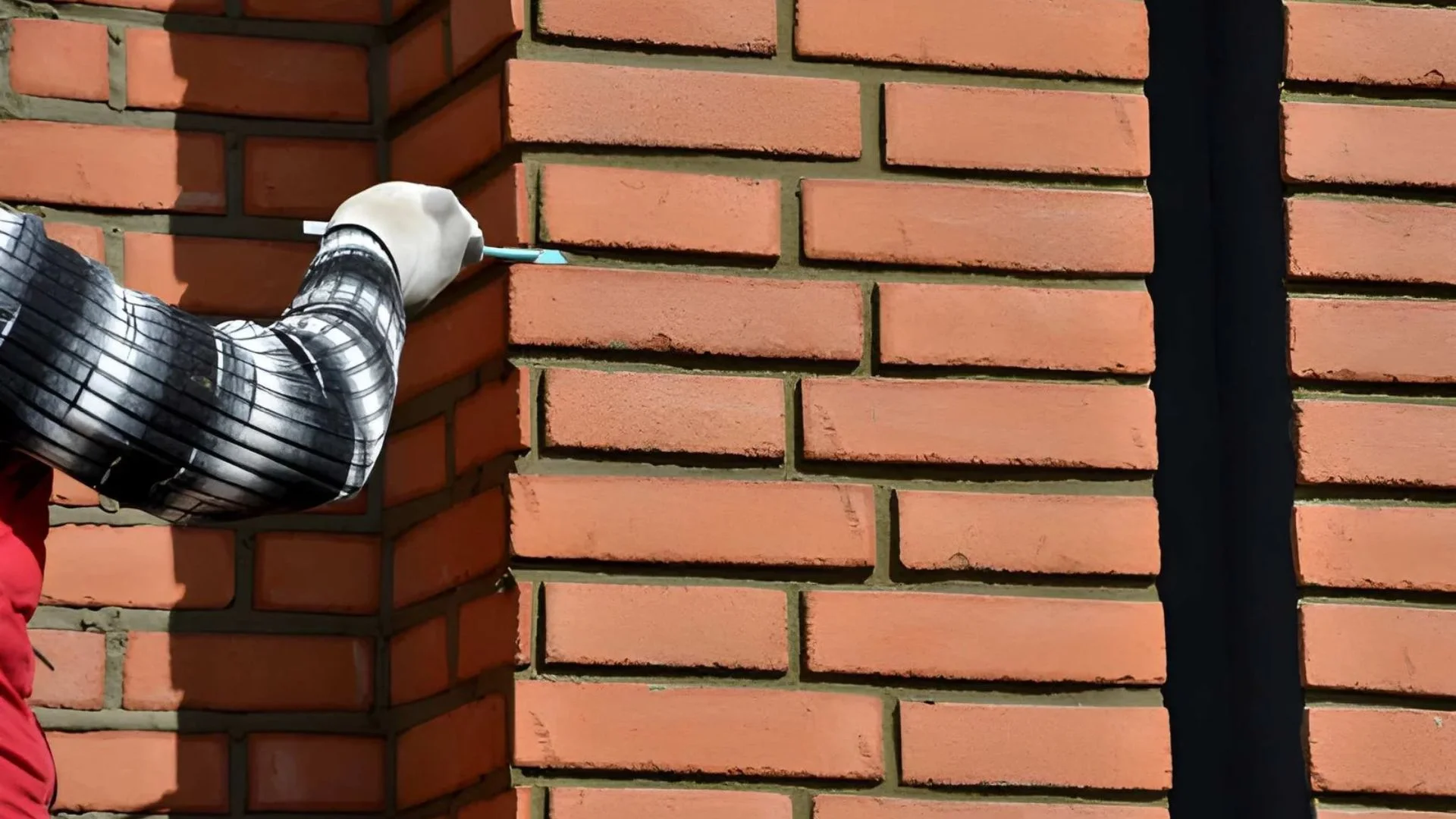
Rainwater can enter through deteriorated joints, failed sealant, damaged flashing, or other openings around a window. If moisture reaches the embedded steel, corrosion may begin and gradually spread.
As the steel corrodes, rust occupies more volume than the original metal. This expansion creates pressure against the surrounding masonry, particularly where the assembly has limited room to accommodate movement.
Pressure from expanding corrosion can fracture mortar joints, displace brick, and create horizontal cracks above openings. In advanced cases, sections may bulge or become unstable, requiring more extensive intervention.
Cracks above a window can appear to be a straightforward masonry defect. However, when corrosion in the concealed support is driving the movement, surface patching alone will not resolve the underlying problem. The same cracking pattern may reappear as corrosion continues.
The steel above an opening has a load-bearing function. Significant corrosion, displacement, or loss of section can affect its ability to support the masonry overhead. Documenting the condition and the completed work can help owners maintain clear building records.
Cracking, displacement, and deterioration around window openings may be noted during exterior wall inspections on buildings subject to FISP. A visible defect does not automatically establish the condition or classification of the concealed steel. Further investigation may be necessary to determine the cause and the scope of work.

We examine visible cracking, rust staining, displaced brick, deteriorated joints, and changes in alignment around the opening. The assessment helps establish whether the pattern suggests corrosion, moisture entry, or another issue.
Where access is required, selected brick and joint material above the opening are carefully removed to expose the steel. This allows the condition of the component to be examined directly, including corrosion, deformation, and visible material loss.
The treatment depends on the extent of deterioration and the remaining condition of the steel. Where corrosion is limited and the component retains adequate structural capacity, cleaning and protective treatment may be suitable if confirmed by the project requirements.
After the steel work is completed and the required protection is in place, the surrounding brickwork is reinstated. Replacement units are selected to suit the existing construction as closely as practical. Joints are filled and finished to provide a consistent appearance and reduce pathways for water entry.
The work area is cleared, and the completed sections are reviewed. Photographs and a description of the completed scope can be provided for property management, engineering, insurance, or inspection records. Where an engineer or QEWI is involved, documentation can be shared to support their review.
Certain patterns around openings can indicate deterioration in the concealed steel:
Warning
These signs do not confirm corrosion on their own. Movement can have several causes, so a site assessment is needed to establish what is happening behind the visible surface.
We work with a range of residential and commercial property owners, including:
The work can range from an individual opening to a larger project involving several affected areas. Access, building age, material condition, and the extent of corrosion all influence the recommended scope.
We serve residential and commercial properties throughout Manhattan, including brownstones, pre-war buildings, and multi-storey façades.
Our work includes traditional brownstones, apartment buildings, townhouses, and commercial properties throughout Brooklyn.
We provide steel support assessment and associated exterior masonry work for residential and commercial properties across Queens.
We work with property owners and managers addressing corrosion-related cracking and deterioration around building openings throughout the Bronx.
Our service extends to homes, multi-family buildings, and commercial properties throughout Staten Island.
Successful work around a window or door opening depends on understanding the steel, the surrounding brickwork, and the conditions that contributed to corrosion.
A horizontal crack directly above a window or doorway, especially when accompanied by rust staining or displaced brick, can indicate corrosion in the steel support. Cracking elsewhere may have different causes, including deteriorated joints, settlement, or movement in other parts of the structure. An inspection helps identify the likely source.
The appropriate treatment depends on the degree of corrosion, remaining steel section, deformation, and structural requirements. Limited surface corrosion may be suitable for cleaning and protective treatment when the component remains structurally adequate. Severe deterioration or loss of capacity may require replacement, with engineering input where necessary.
Moisture is a major contributor. Water can reach embedded steel through failed joints, deteriorated sealant, damaged flashing, or other defects around an opening. Keeping surrounding masonry and water-management details in suitable condition can help reduce future moisture exposure.
Coverage depends on the policy, the cause of damage, exclusions, and the insurer's assessment. Gradual deterioration may be treated differently from sudden damage. Owners should contact their insurance provider to confirm coverage. We can provide project photographs and work descriptions when documentation is requested.
A single opening may take several days, depending on access, removal requirements, steel condition, reinstatement, and curing time. Projects involving multiple openings, complex access, or substantial rebuilding may take longer. The expected schedule can be discussed once the site conditions and scope have been assessed.
Addressing the underlying cause can prevent the same corrosion-related pressure from continuing to damage the surrounding masonry. However, the outcome also depends on the source of moisture, the condition of adjacent materials, and whether other structural movement is present. The inspection helps identify any related issues that should be addressed as part of the project.
Repairing the visible brick without investigating the steel beneath it can leave the original cause unresolved. Get a free inspection to understand what is happening and which work may be required.