
+1 (917) 352-1191
Phone number
info@tuckpointingnyc.com
Email address
2 W 46th St, New York, NY 10036
Address location
Not every mortar problem requires an entire wall to be redone. Spot pointing NYC is designed for isolated cracks, small holes, missing joints, and limited areas of deterioration where a focused fix is enough. Instead of disturbing sound sections, NYC Tuck Pointing addresses the affected locations.
Request a Free Spot Pointing Estimate
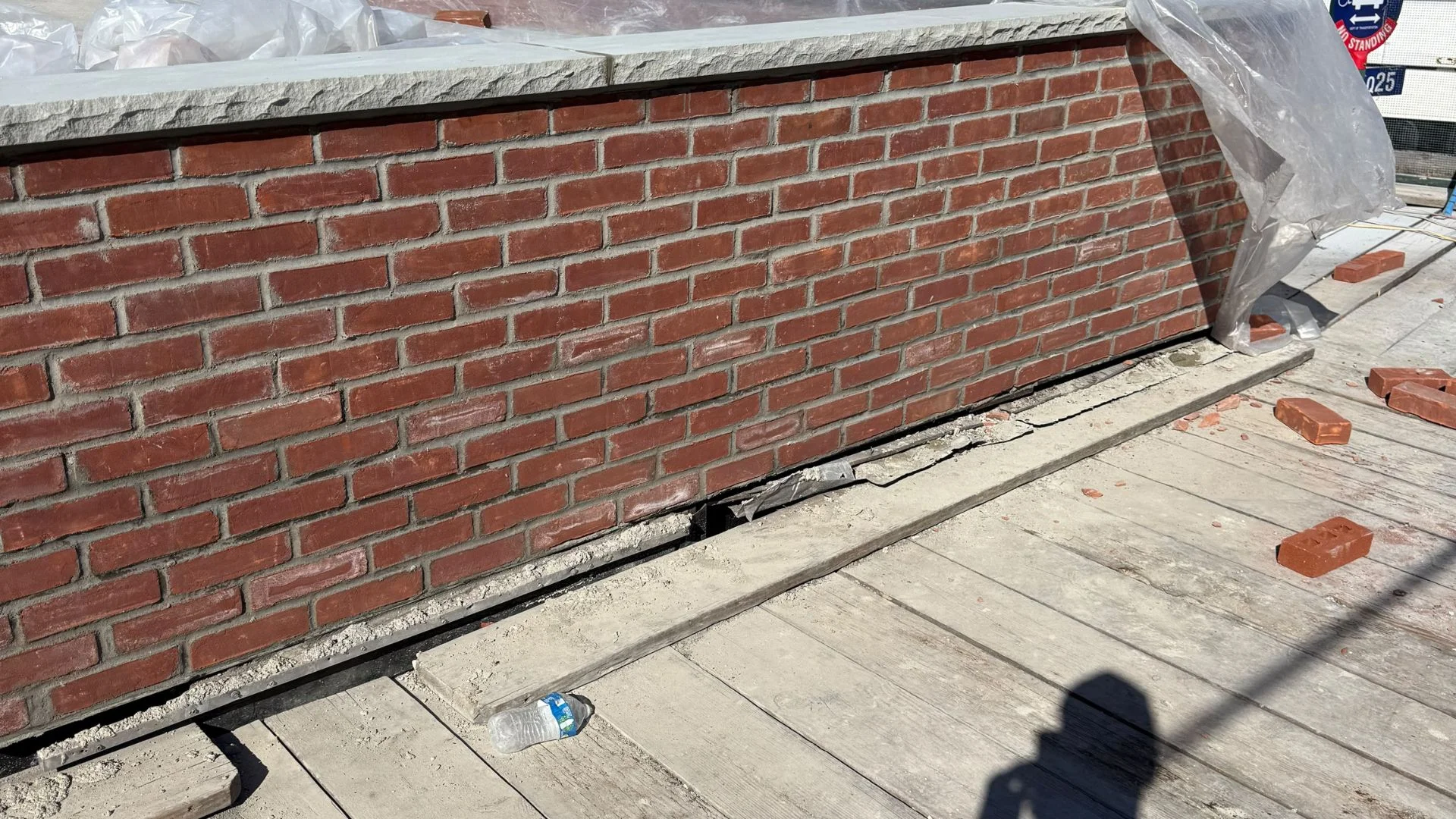
Spot pointing is a targeted method of replacing deteriorated mortar in specific locations. Cracked, loose, missing, or crumbling material is removed from the affected joints, then replaced with compatible new material.
The key difference is the scope. Full repointing addresses deteriorated joints across a larger wall or defined section, while this service concentrates on isolated areas that remain in otherwise serviceable condition.
During an inspection, we look beyond the most obvious defect. If surrounding joints show widespread deterioration, we explain that a broader treatment may be more appropriate. If the problem is genuinely localised, we keep the work focused.
Localised work for individual cracks, holes, missing joints, or small damaged sections. It is suited to contain deterioration where most surrounding joints remain sound.
Full-wall or full-section mortar replacement where deterioration is more widespread. See our Brick Pointing & Repointing page for larger-scale joint restoration.
A decorative masonry treatment that creates a defined contrasting joint appearance. See our Tuckpointing page for this specialised finish.
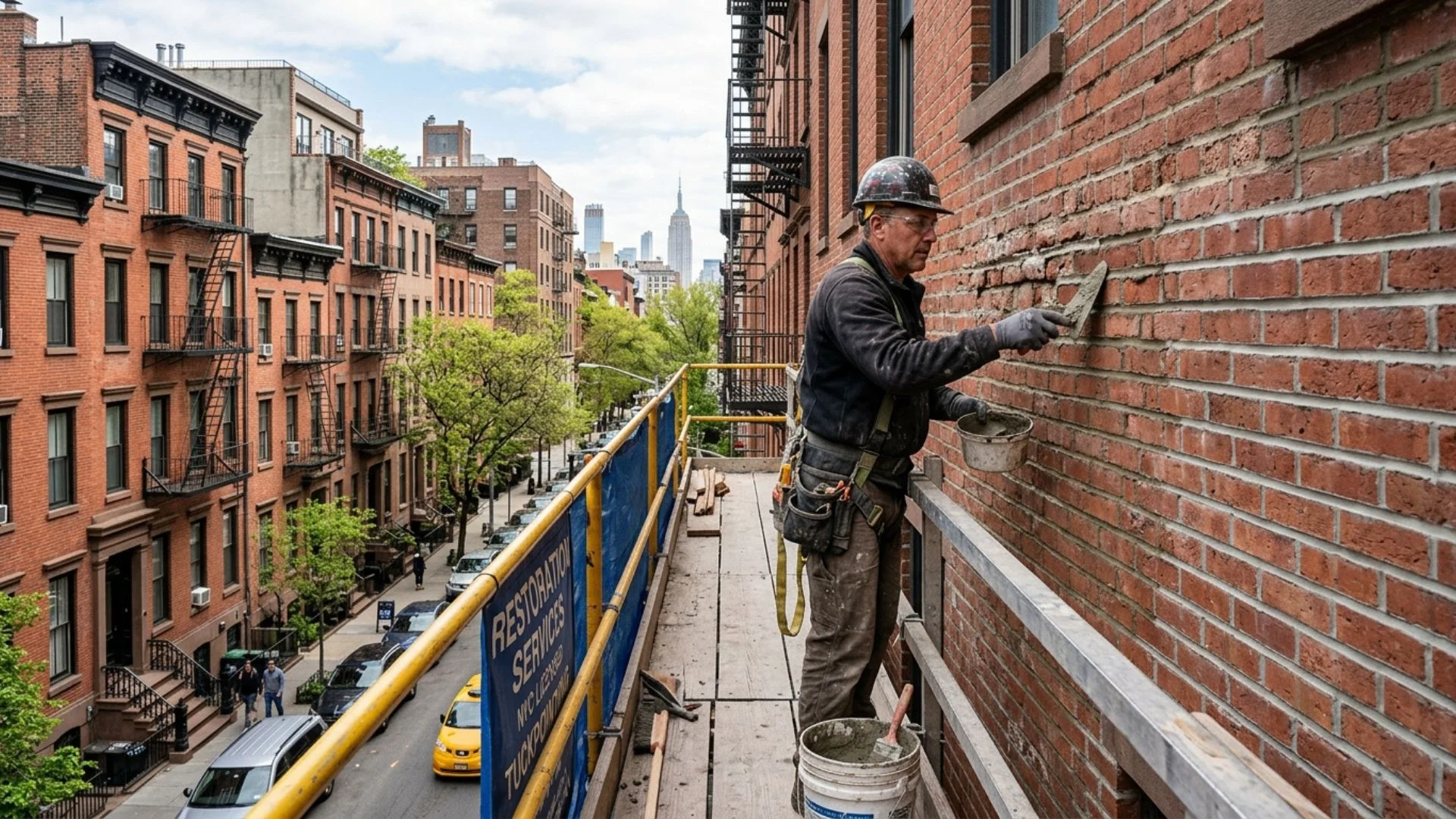
When only a handful of locations need attention, a limited scope can reduce labour, material use, disruption, and overall project time. The right scope depends on the condition of the surrounding joints. We inspect the area first rather than assuming every mortar issue requires the same treatment.
Preparing a property for sale often means addressing the small exterior details that prospective buyers, agents, or inspectors may notice. For sellers working toward a closing date, a contained project may also be easier to schedule than a larger facade undertaking.
Landlords and property managers regularly deal with maintenance between tenants. Small masonry defects can be added to a turnover checklist alongside other exterior and interior work. For recurring maintenance, we can identify areas that may require closer monitoring during future inspections.
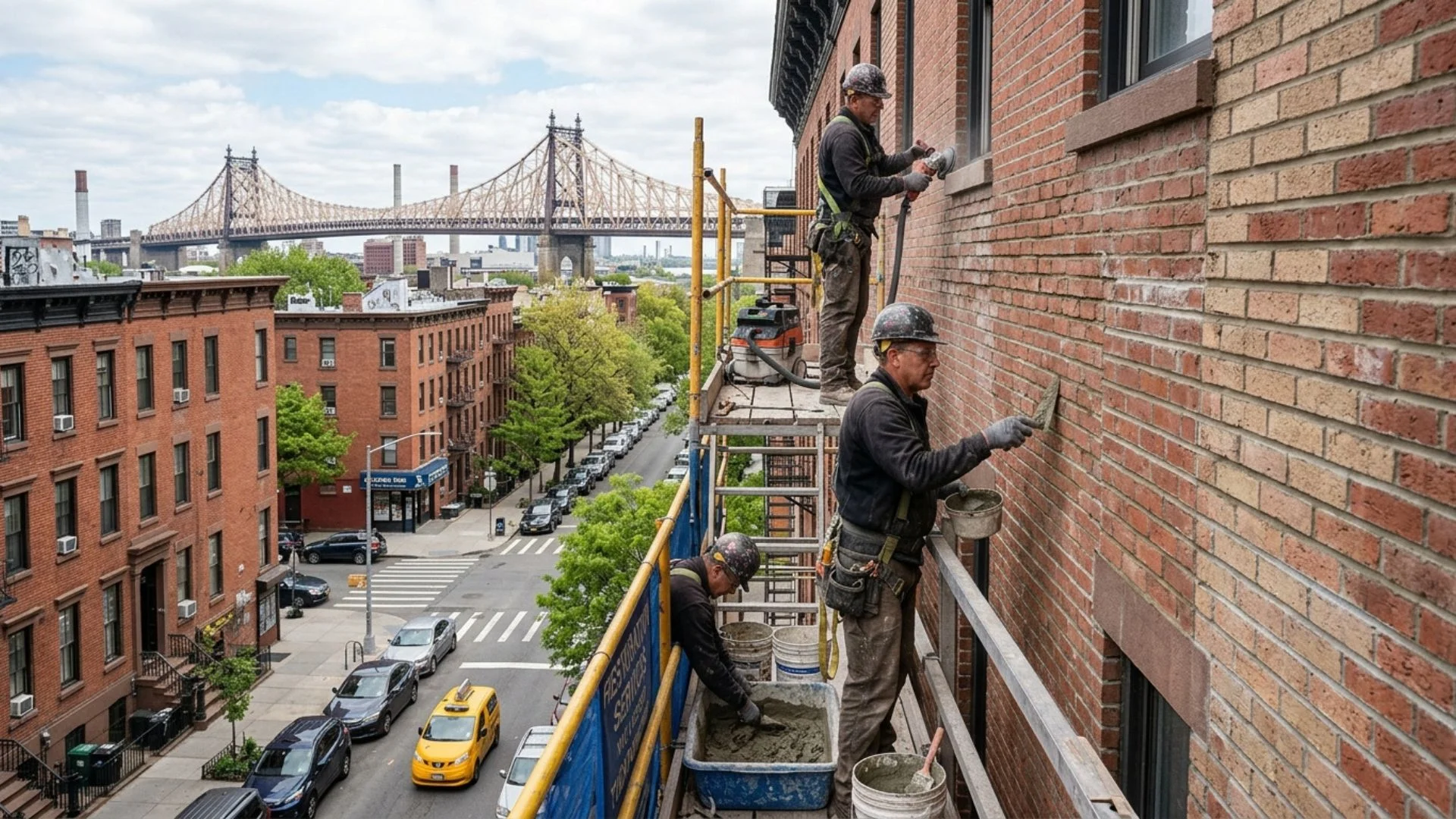
We begin by examining the affected joints and surrounding masonry. We look for cracked, loose, missing, or deteriorated material and assess whether the problem is genuinely isolated.
The inspection also helps determine whether access, surrounding conditions, or the age and type of masonry could affect the work. If the affected area is too widespread for a limited treatment, we explain the difference before work begins.
Deteriorated material is carefully removed from the identified locations. The goal is to prepare the affected joints without unnecessarily disturbing sound surrounding sections.
This controlled preparation helps keep the project focused and reduces unnecessary disruption to the existing wall.
A repair can remain visually obvious if the replacement material differs significantly from the surrounding joints.
We therefore consider the existing mortar's colour, texture, aggregate, joint profile, and weathered appearance when preparing the replacement material. Historic and older properties can require additional care because existing materials may have changed over decades of exposure.
The prepared joints are filled with compatible material and finished to complement the surrounding masonry.
The objective is a consistent appearance rather than a visibly patched section. Final results can vary depending on the age, weathering, colour changes, and original materials present on the building.
Once the work is complete, we clear the immediate work area and inspect the finished sections.
We check the treated locations for consistency and make sure the property is left orderly before closing out the job.
This service can be suitable for:
A free inspection can help establish whether the affected areas are limited enough for this approach or whether a larger scope should be considered. For damaged brick units themselves, see our Brick Repair service.
We handle localised masonry maintenance for residential and commercial properties throughout Manhattan.
Our service covers homes, apartment buildings, and commercial properties throughout Brooklyn.
Property owners throughout Queens can request an assessment for small-area masonry deterioration.
We provide targeted exterior masonry maintenance across the Bronx.
We serve residential and commercial properties throughout Staten Island.
→ Visit our services area page
Note From Team
Our approach is to identify what actually needs attention and keep the scope appropriate to the condition of the property.
The difference is primarily the size of the area being treated. A limited service addresses individual damaged joints or small sections, while full repointing involves replacing deteriorated mortar across a larger wall or defined section. If deterioration is confined to a few locations, there may be no reason to disturb sound surrounding joints.
There is no single price because the cost depends on the number and size of affected areas, access requirements, existing masonry, preparation, and material matching. A small number of accessible locations will generally require less work than extensive deterioration across a facade. We provide an itemised estimate after inspecting the property.
It depends on the condition of the surrounding joints. If deterioration remains limited, targeted maintenance may be appropriate. If similar defects appear throughout a wall or section, broader repointing may provide a more suitable long-term solution. We assess the surrounding masonry rather than basing the recommendation on one damaged area.
Often, yes. The limited scope can make these projects quicker to schedule than larger masonry work. Actual timing depends on the number of affected locations, access, weather, preparation, and the condition of the existing joints. If you have a listing or inspection deadline, mention it when requesting an estimate.
We aim to match the existing mortar's colour, texture, profile, and finish. However, an exact visual match cannot always be guaranteed on older masonry because existing material may have weathered or changed colour over time. Careful material selection and finishing help the treated areas integrate with the surrounding wall.
Yes. Older buildings can require additional attention because their original mortar, masonry units, joint profiles, and construction methods may differ from newer properties. We assess the existing materials before selecting an appropriate approach, with the goal of preserving the appearance and condition of the surrounding masonry.
If you've noticed isolated cracks, missing joints, or small areas of mortar deterioration, a focused repair may be all that's needed. Contact us at (917) 352-1191 to request a free inspection and itemised estimate.