
+1 (917) 352-1191
Phone number
info@tuckpointingnyc.com
Email address
2 W 46th St, New York, NY 10036
Address location
Staten Island has a residential character unlike the other four boroughs. Detached houses, semi-attached homes, older cottages, and low-rise properties make up much of the local streetscape, particularly away from the North Shore's denser commercial corridors.
NYC Tuck Pointing provides exterior restoration and brickwork throughout Staten Island, from older homes around St. George and Randall Manor to residential properties farther south. Each inspection starts with the existing construction and visible condition so homeowners can understand what needs attention before committing to work.
Request a Free Inspection in Staten Island

St. George has a concentration of older residential architecture close to the North Shore, including Victorian-era and early-20th-century homes with detailed brickwork, stone elements, chimneys, and decorative facades.
On older properties, replacing deteriorated material with a visually or technically incompatible product can create problems. We assess the existing joint colour, texture, brick, and architectural details before recommending a restoration approach.
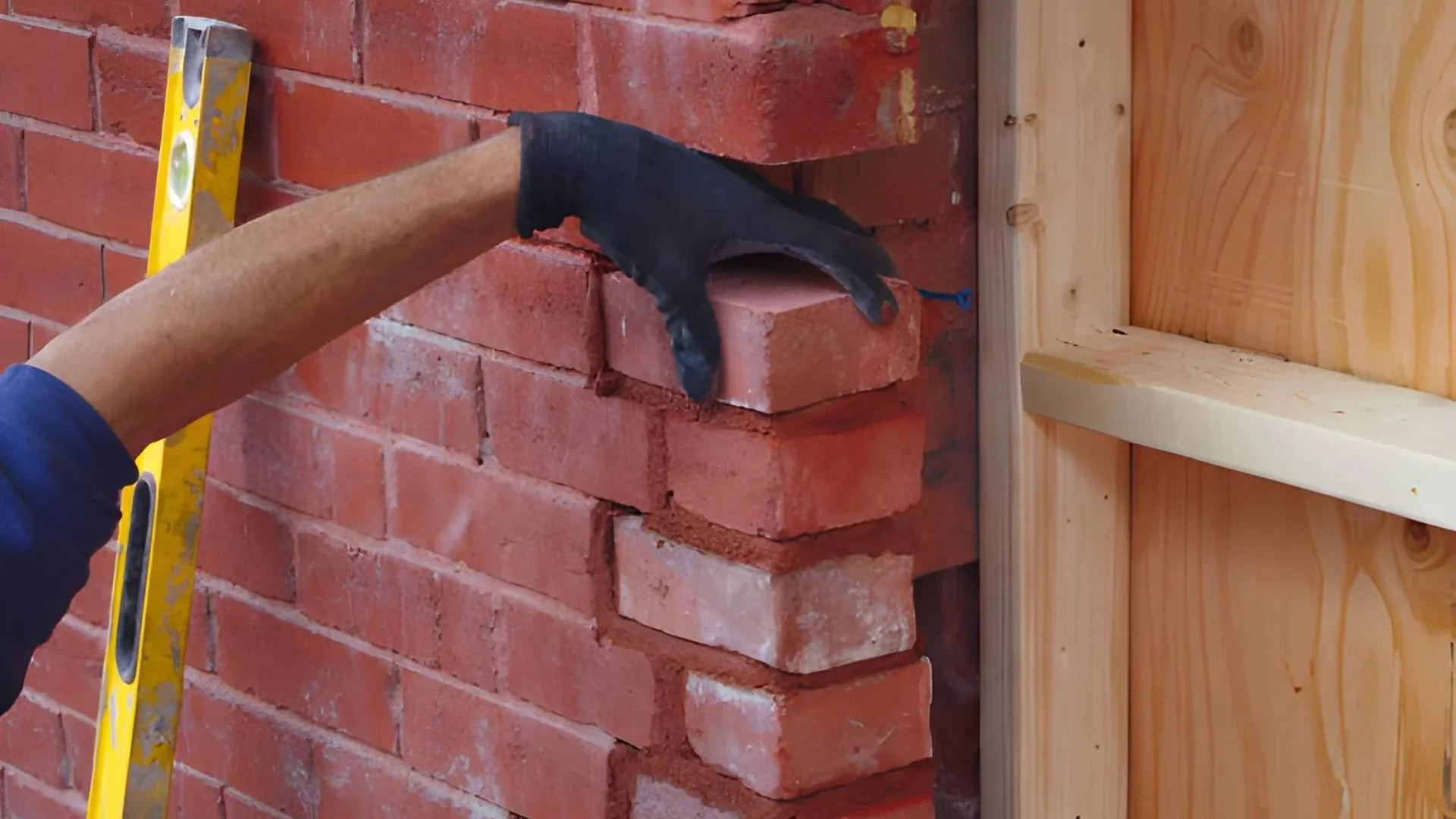
Tottenville's lower-density streets contain many detached and semi-attached homes, including older properties alongside newer residential construction. Chimneys, garden walls, brick steps, foundation masonry, and exposed joints can all require periodic attention.
For homeowners, the priority is often to identify deterioration early and address it before water enters the wall or a small defect becomes a larger project.
New Dorp and communities farther along the South Shore experience a different weather environment from more sheltered inland areas. Homes around Great Kills, Eltingville, Annadale, Huguenot, Prince's Bay, and Tottenville can receive direct wind-driven rain from coastal storms.
Exterior maintenance in these areas may therefore include attention to weather-exposed joints, chimneys, brick surfaces, and moisture-prone areas around additions or older alterations.
Water is one of the most persistent threats to exterior brickwork. Wind-driven rain can enter through open joints, cracks, failed sealants, and deteriorated areas around windows or roofline elements.
Over repeated seasons, moisture can contribute to mortar loss, staining, freeze-thaw damage, and deterioration of adjacent materials. Homes closer to exposed waterfront areas deserve particular attention to elevations that receive the greatest amount of weather.
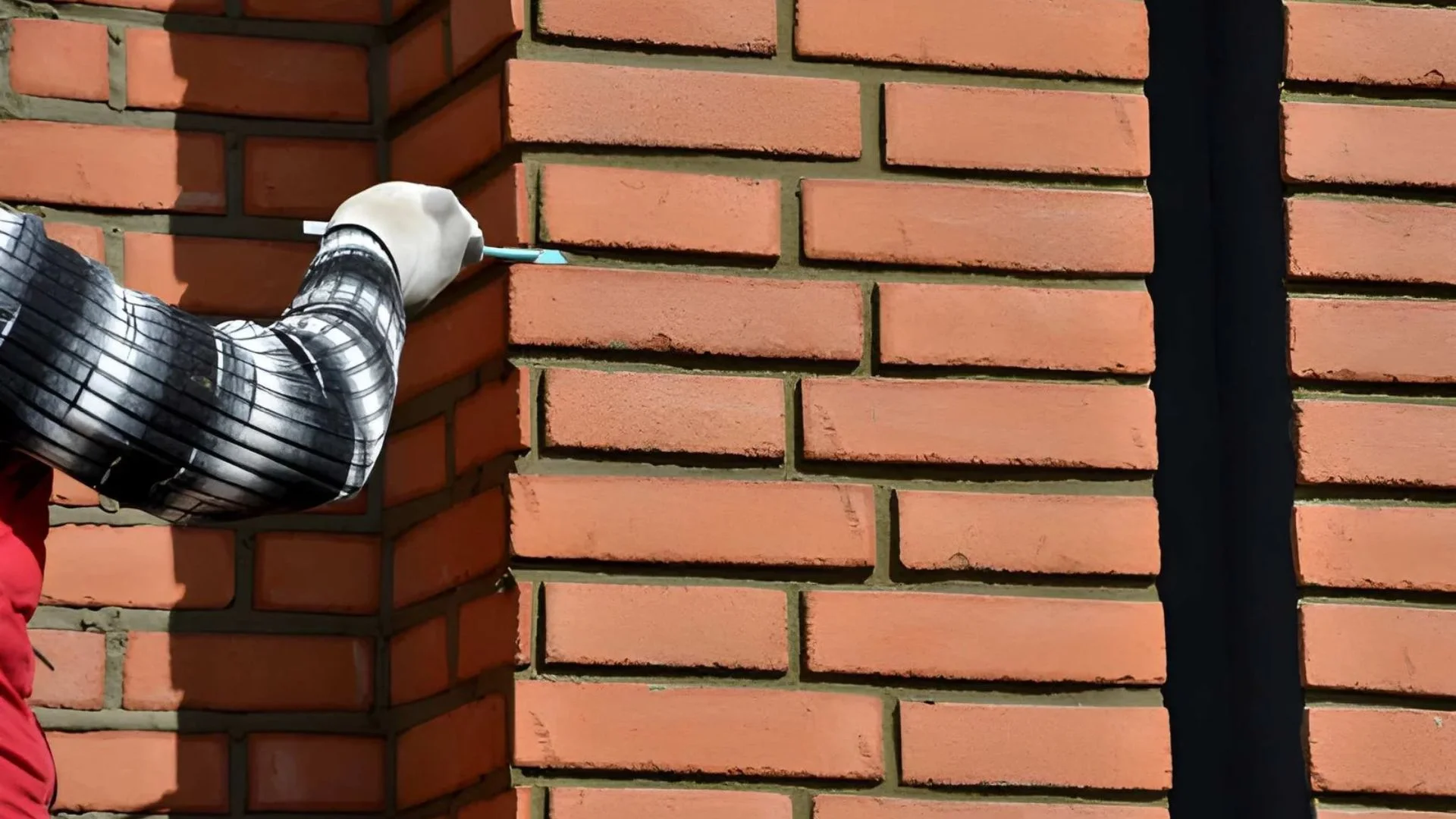
Chimneys receive continuous exposure from rain, snow, wind, and temperature changes. Older homes may also have chimney caps, crowns, flashing, or joints that have received little maintenance since the property's previous renovation.
Homeowners with fireplaces should not wait for visible water staining inside the house before checking the exterior. We inspect the visible chimney condition and identify whether the appropriate scope involves joint restoration, brick replacement, waterproofing, or related work.
Staten Island has a much more low-rise residential profile than Manhattan and several other parts of Brooklyn. As a result, fewer local properties fall within the City's height-based facade inspection requirements.
That does not mean the borough is exempt. Buildings exceeding the applicable height threshold remain subject to FISP requirements, including periodic exterior inspections by a QEWI. We can handle specified corrective work when an inspection identifies deteriorated exterior conditions.
Careful joint restoration for brick homes and visible facades where the finished appearance needs to complement the existing construction.
Removal and replacement of deteriorated joint material to improve the wall's resistance to moisture and weather exposure.
Small-scale treatment for isolated joint deterioration where surrounding areas remain in serviceable condition.
Replacement or restoration of cracked, spalled, loose, or weathered brick units on residential and commercial properties.
Joint restoration for chimneys exposed to Staten Island's seasonal rain, snow, wind, and temperature fluctuations.
Correction of deteriorated upper-wall sections, loose units, open joints, and other roofline defects.
Restoration or replacement of steel above windows and doors where corrosion has affected surrounding brickwork.
Protective treatment for appropriate exterior surfaces to help reduce moisture penetration after necessary restoration.
Restoration of traditional stucco and EIFS surfaces affected by cracking, impact, deterioration, or moisture exposure.
Broader exterior work for properties with several connected defects requiring a coordinated project.
The housing profile is different. Detached and semi-attached homes make up a substantial portion of the borough's residential landscape, so homeowners commonly seek help with chimneys, brick facades, joints, steps, walls, and moisture-related deterioration.
Yes. Buildings that meet the City's applicable height threshold remain subject to the facade inspection program regardless of borough. The number of qualifying properties is lower because Staten Island has a predominantly low-rise residential profile.
Exposure can be a factor, particularly for properties close to the shoreline or on elevations receiving prevailing wind and rain. Repeated moisture exposure can accelerate deterioration where joints are already cracked, recessed, or missing.
Yes. Older properties require attention to their original architectural character. We consider existing brick, joint appearance, decorative details, and surrounding materials when developing the work scope.
From the older homes of St. George and Randall Manor to the weather-exposed communities of Great Kills, Eltingville, Annadale, and Tottenville, every property has its own construction history and maintenance needs. Get a free inspection and an honest estimate based on the actual condition of your home or building.