
+1 (917) 352-1191
Phone number
info@tuckpointingnyc.com
Email address
2 W 46th St, New York, NY 10036
Address location
A deteriorated chimney stack needs attention for different reasons than an ordinary exterior wall. NYC Tuck Pointing focuses on deteriorated joints around the stack, helping restore weather resistance and protect the masonry before small defects become larger maintenance problems.
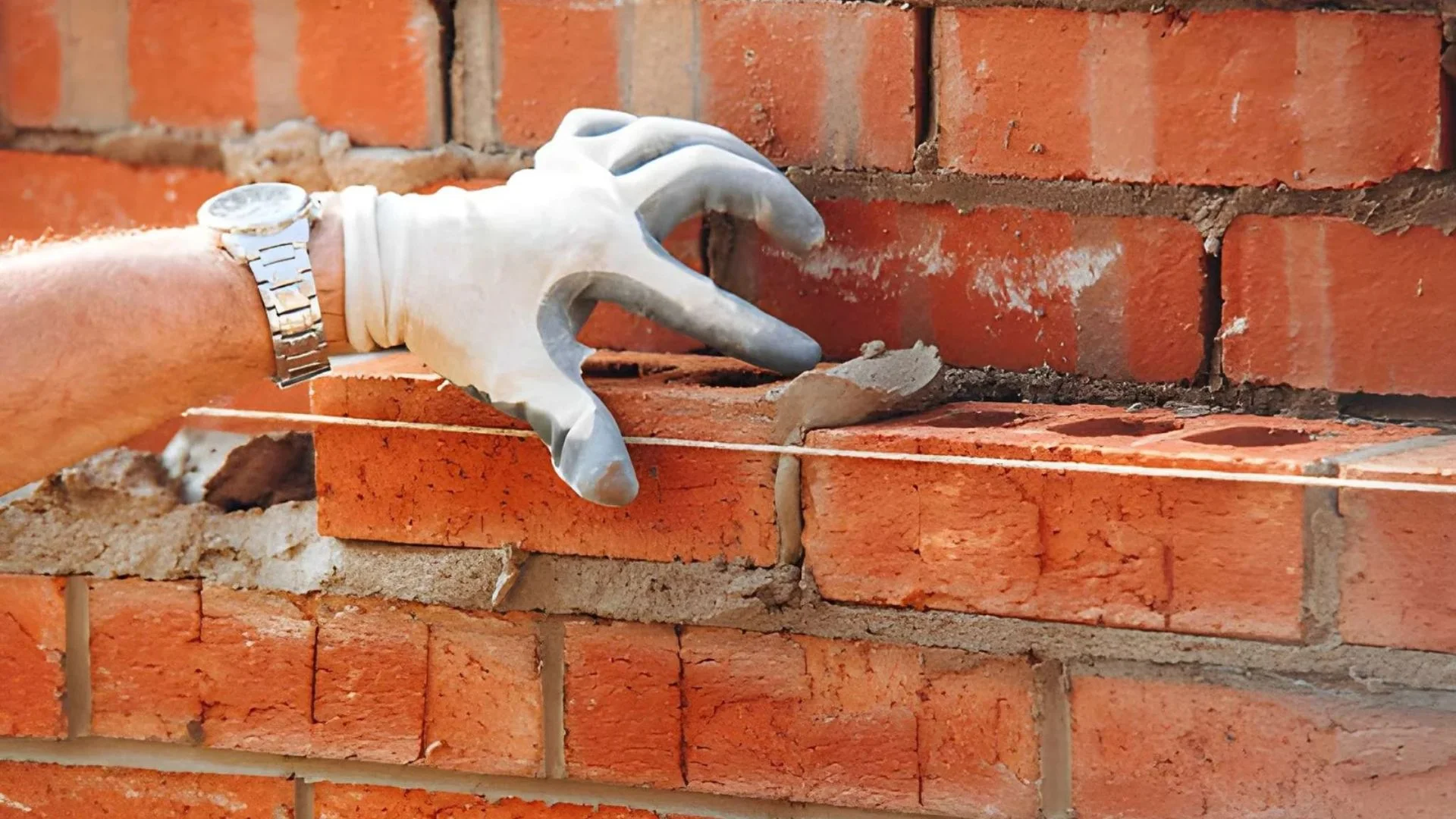
It is the process of removing failing material from masonry joints and installing compatible new material in its place. The goal is to restore the joints without unnecessarily disturbing sound brickwork.
The work is especially important on older New York buildings where original masonry may have been exposed to decades of moisture, temperature changes and previous repairs. A proper assessment looks beyond visible gaps.
We check for open joints, loose material, failed patches, moisture entry, damaged brick and areas where earlier work may have used an incompatible mix. For historic and pre-war properties, matching the existing masonry system matters.
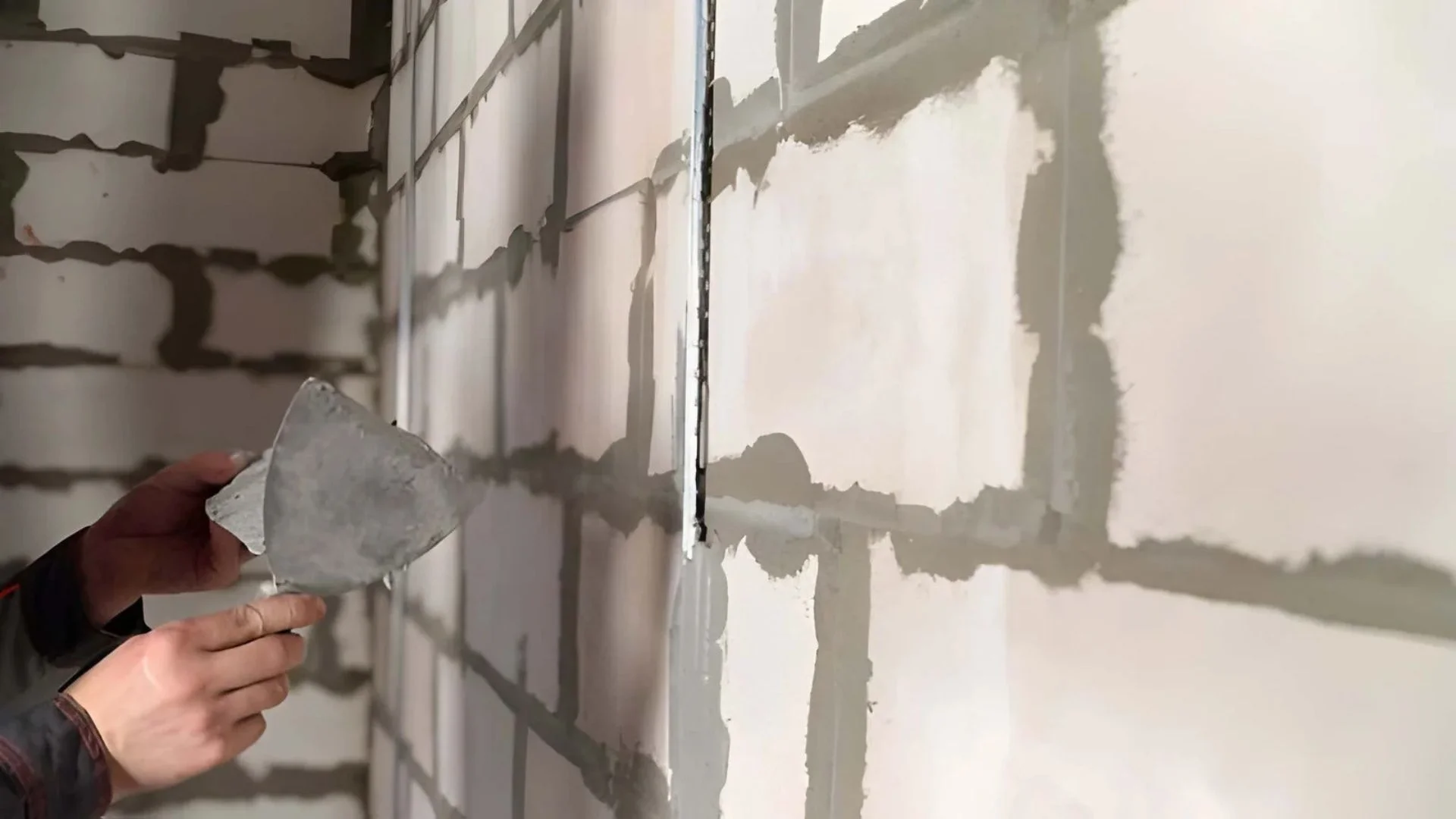
Rain and snow reach rooftop masonry from multiple directions. Wind can drive moisture into small openings, while repeated wetting and drying gradually affect vulnerable joints. Freeze-thaw cycles can make existing defects worse.
A working fireplace or fuel-burning appliance can create repeated temperature changes through the masonry. Heating and cooling cause materials to expand and contract. Over many seasons, this movement can contribute to cracking.
Rooftop defects are easy to overlook from street level. A few deteriorated joints may remain unnoticed until water reaches the interior, brick begins to loosen, or a larger section requires attention. Regular visual checks and timely maintenance can help property owners.
Masonry around a working flue forms part of a system associated with combustion and the movement of exhaust gases. Its condition therefore deserves more attention than an ordinary cosmetic exterior defect.
NFPA 211 covers the design, installation, maintenance and inspection of chimneys, fireplaces and venting systems. Our work addresses visible masonry deterioration.
Autumn is a practical time to assess rooftop masonry, especially for properties with working fireplaces or other fuel-burning systems. Some insurance providers may request information about property conditions during underwriting or renewal.
If an insurer, property manager or inspector has raised a concern about the exterior masonry, completing the relevant work before the heating season can make property maintenance easier to manage.
FISP applies to qualifying buildings higher than six stories. NYC Department of Buildings guidance requires covered properties to have exterior walls and appurtenances inspected every five years, with technical reports filed through DOB NOW: Safety.
Rooftop masonry can fall within a broader exterior-wall assessment depending on the building and inspection scope. The QEWI determines the applicable conditions and reporting classification.
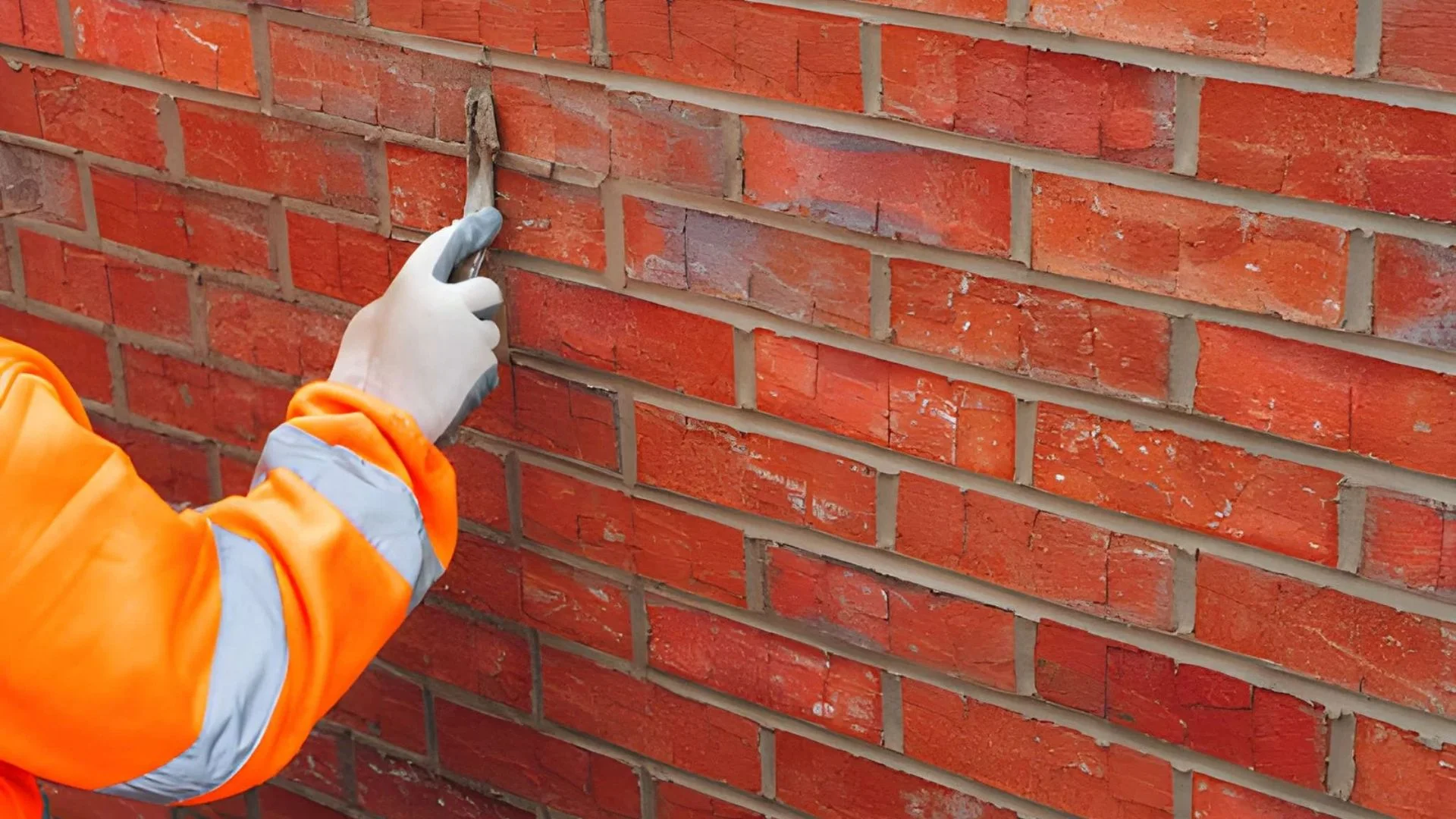
We begin by examining accessible joints, brick faces, previous patches, cracks, loose material and signs of water entry. We also ask how the structure is used. A working fireplace, unused flue or commercial heating system can affect the questions that need to be considered before exterior work begins.
Where joints have failed, deteriorated material is carefully removed to a sound depth. The objective is controlled removal. Sound surrounding masonry should remain intact, particularly on older buildings where aggressive methods can cause unnecessary damage.
Material selection is based on the existing construction rather than simply choosing the hardest available product. We assess the appearance, texture and condition of the existing joints before selecting a compatible replacement. A close match helps the completed work sit naturally within the existing stack.
New material is installed into the prepared joints and finished to suit the existing masonry. Closing vulnerable joints improves resistance to weather penetration and restores the appearance of deteriorated upper masonry.
Once the work is complete, the area is cleaned and the finished sections are reviewed. For property owners managing insurance, building records or FISP-related work, documentation can be provided for the completed scope. Where a QEWI or other design professional is involved, our records can help the owner keep the contractor-side documentation.
Our service is suitable for:
We serve property owners throughout all five boroughs:
For buildings where the issue extends beyond the stack, we can also explain how the required work differs from brick pointing and repointing or tuckpointing.
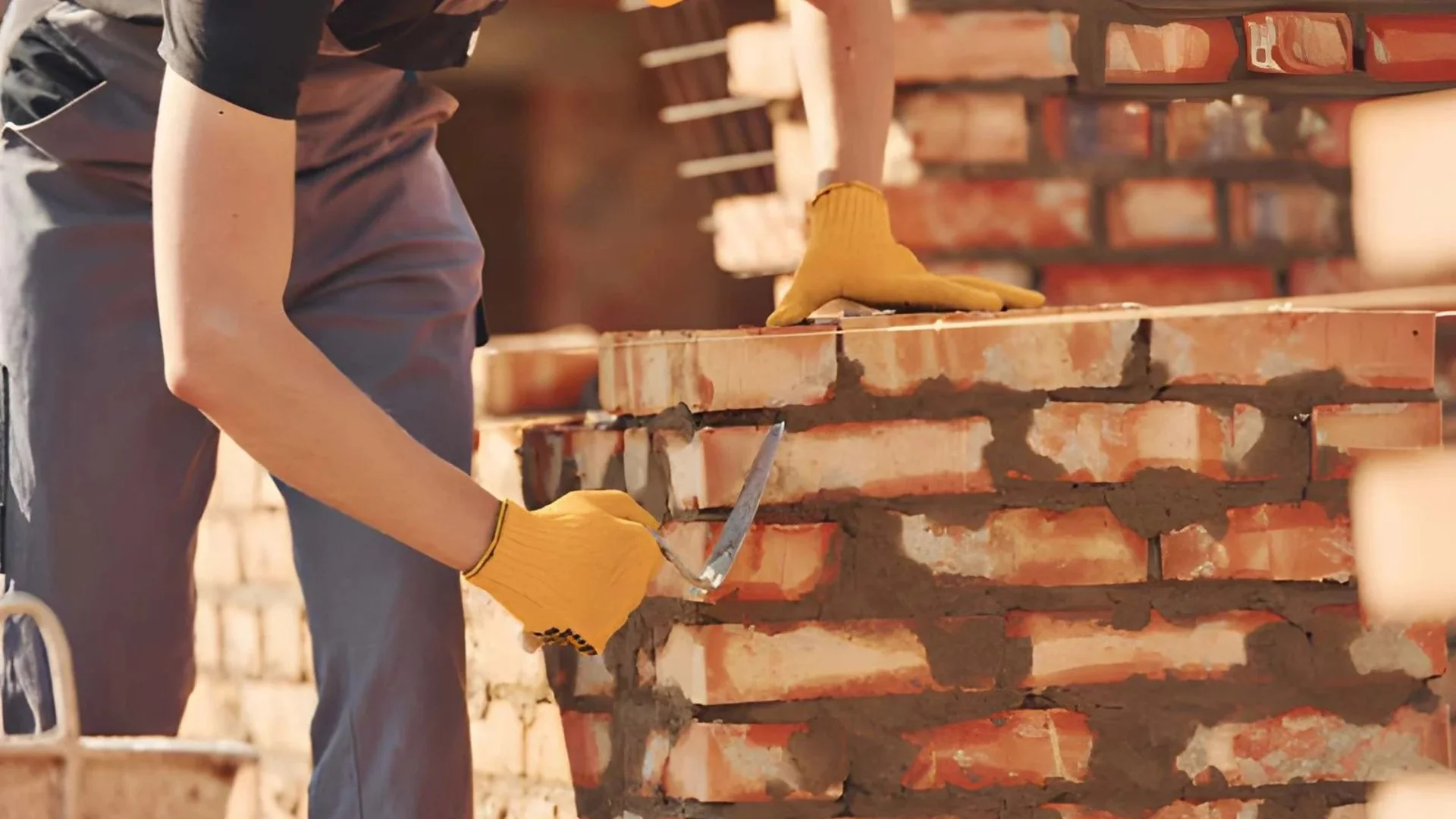
Look for open or missing joints, crumbling material, visible cracks, loose brick, staining or areas that have been repeatedly patched. A rooftop inspection is more reliable than judging the condition from the street.
Cold weather increases the consequences of existing moisture entry. Water inside small openings can freeze and expand, placing additional stress on already deteriorated joints. Scheduling the work before severe weather also gives property owners more control over access and timing.
It can become relevant if an insurer requests information about exterior or heating-system conditions during underwriting or renewal. Requirements differ between insurers and properties, so owners should confirm specific documentation requirements with their provider.
It can be relevant to the exterior-wall and appearance conditions assessed on a qualifying building, depending on the property and inspection scope. FISP applies to buildings higher than six stories and requires a five-year inspection cycle. The formal assessment and filing are handled by a qualified exterior wall inspector.
Yes, a decorative joint treatment can be considered where the masonry and project requirements make it appropriate. The finish is different from standard functional joint replacement. See our tuckpointing service for the separate scope.
The timeframe depends on height, access, total joint area, weather, material requirements and the condition of the existing masonry. A small residential scope may be completed relatively quickly, while a larger building can require more preparation and access equipment.
A free inspection can help you understand the condition of the upper masonry before the heating season begins. We will identify visible deterioration, explain the recommended scope and provide an itemised estimate.