
+1 (917) 352-1191
Phone number
info@tuckpointingnyc.com
Email address
2 W 46th St, New York, NY 10036
Address location
If your building is more than six stories high, its exterior walls and appurtenances must be inspected every five years under the Facade Inspection & Safety Program, commonly known as Local Law 11. A Qualified Exterior Wall Inspector examines the property and files the required technical report with the NYC DOB.
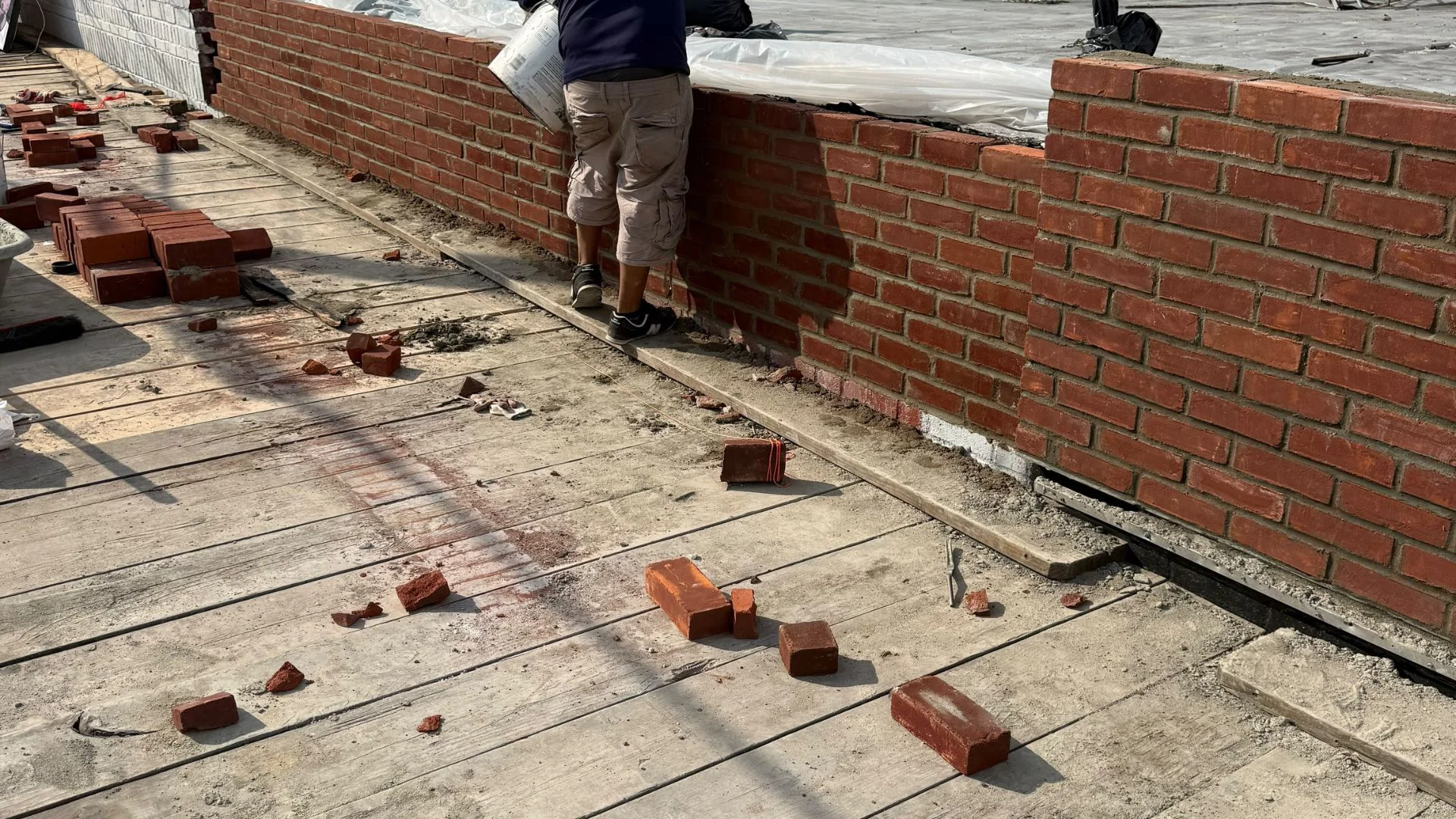
When deteriorated joints, brick, parapets, lintels, or other exterior conditions are identified, the required corrective work must be completed within the applicable timeframe. NYC Tuck Pointing handles the field work and provides project photographs for your engineer, QEWI, property records, or filing process.
Request a Free FISP Compliance Inspection
Local Law 11 of 1998 expanded New York City's periodic exterior wall inspection requirements following earlier façade-safety legislation. Today, the program is administered by the Department of Buildings under the City's façade regulations and is commonly referred to as FISP or Local Law 11.
Buildings higher than six stories must have their exterior walls and appurtenances inspected at least once every five years by a qualified design professional, with the resulting technical report filed through DOB NOW: Safety.
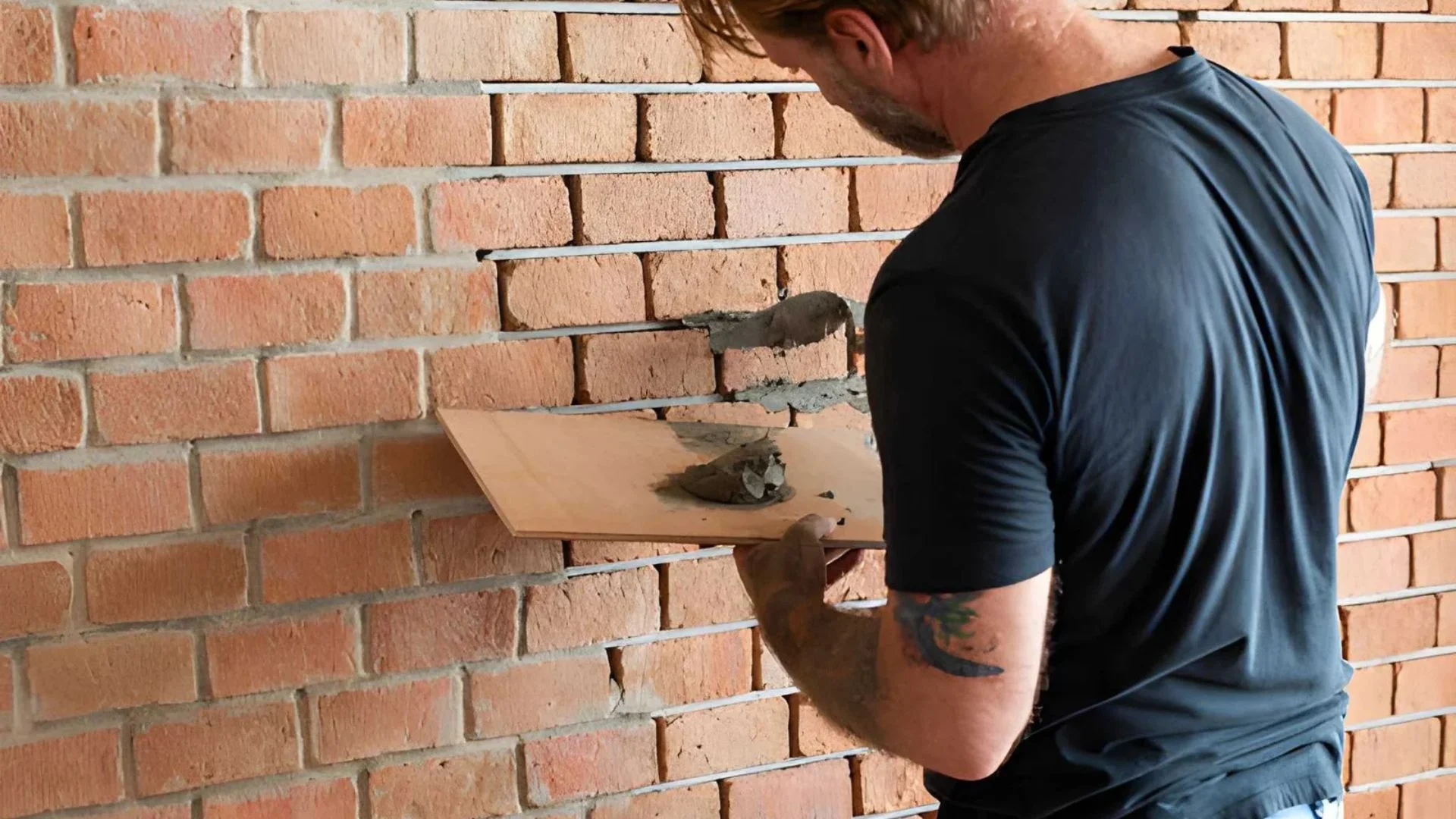
Deteriorated joints can allow moisture into the wall assembly and contribute to progressive damage. During an inspection, visible deterioration is documented by the QEWI and may lead to a corrective recommendation or classification depending on its condition.
Cycle 10 runs from February 21, 2025 through February 20, 2030. Filing windows are divided into three sub-cycles according to the last digit of the building's block number.
Block numbers ending in 4, 5, 6, or 9. The filing window opened February 21, 2025, with a deadline of February 21, 2027.
Block numbers ending in 0, 7, or 8. The filing window opened February 21, 2026, with a deadline of February 21, 2028.
Block numbers ending in 1, 2, or 3. The filing window opens February 21, 2027, with a deadline of February 21, 2029.
Late initial filings can result in a $1,000 monthly penalty, while failure to file can bring additional annual penalties. Other enforcement consequences may apply when required corrective work remains incomplete.
The inspected exterior is considered safe, with no conditions requiring corrective work under the classification.
Safe With a Repair and Maintenance Program. Conditions require attention within the timeframe established by the QEWI. The report identifies the required completion period.
A condition presents an immediate public-safety concern and requires prompt protective measures and correction within the applicable timeframe.
We review the QEWI's findings and identify the exterior areas requiring attention.
We establish the appropriate corrective scope based on the conditions identified in the report, including deteriorated joints, brick, parapets, lintels, or related elements.
Our crew completes the specified work with attention to existing materials, surrounding conditions, and requirements provided by your design professional.
We provide clear project photographs and completion records for your engineer, QEWI, property files, and closeout process.
Exterior corrective work for apartment buildings, co-ops, condos, commercial properties, and other eligible structures throughout Manhattan.
Support for multifamily, residential, commercial, and mixed-use properties across Brooklyn, based on documented inspection findings.
Exterior restoration support for properties throughout Queens, from individual deficiencies to larger corrective scopes.
Building exterior work throughout the Bronx where inspection findings require attention to walls or related elements.
Corrective work for residential and commercial properties throughout Staten Island, based on the property's documented condition.
Local Law 11 of 1998 is the legislation behind the City's exterior wall inspection requirements, while FISP is the name commonly used for the inspection program administered by the Department of Buildings.
Your sub-cycle is determined by the last digit of the building's block number. For Cycle 10, digits 4, 5, 6, and 9 fall under 10A; 0, 7, and 8 under 10B; and 1, 2, and 3 under 10C.
The QEWI determines the appropriate classification based on the observed condition. Depending on severity, the report may require scheduled corrective work or immediate protective measures.
Some scopes require Department-issued permits, while additional approvals may apply depending on the property and proposed work. Requirements should be confirmed against the specific project scope.
Yes. We provide project photographs and completion documentation for applicable work, which can be supplied to the property's engineer or QEWI.
There is no fixed price because the scope can range from localized deterioration to extensive exterior work. We provide an itemized estimate after reviewing the report and assessing the affected areas.
Don't leave required work until the filing deadline is close. We'll review the documented condition, assess the affected areas, and provide a clear scope based on what the property actually needs.
NYC Tuck Pointing
2 W 46th St
New York, NY 10036
Phone: (917) 352-1191
Service Area: New York City
Request Your Free FISP Compliance Inspection
We'll review the documented condition, assess the affected areas, and provide a clear scope based on what the property actually needs.
Request Your Free FISP Compliance Inspection