
+1 (917) 352-1191
Phone number
info@tuckpointingnyc.com
Email address
2 W 46th St, New York, NY 10036
Address location
Manhattan's building stock creates a very different exterior-maintenance environment from the other boroughs. The borough has a particularly large concentration of buildings above six stories, placing many co-ops, condominiums, multifamily properties, and commercial buildings within NYC FISP.
NYC Tuck Pointing works with co-op and condo boards, property managers, building owners, and project professionals throughout Manhattan. Whether the scope involves a few isolated joints or several areas identified during a façade inspection, we assess the condition and provide an itemised scope for review.
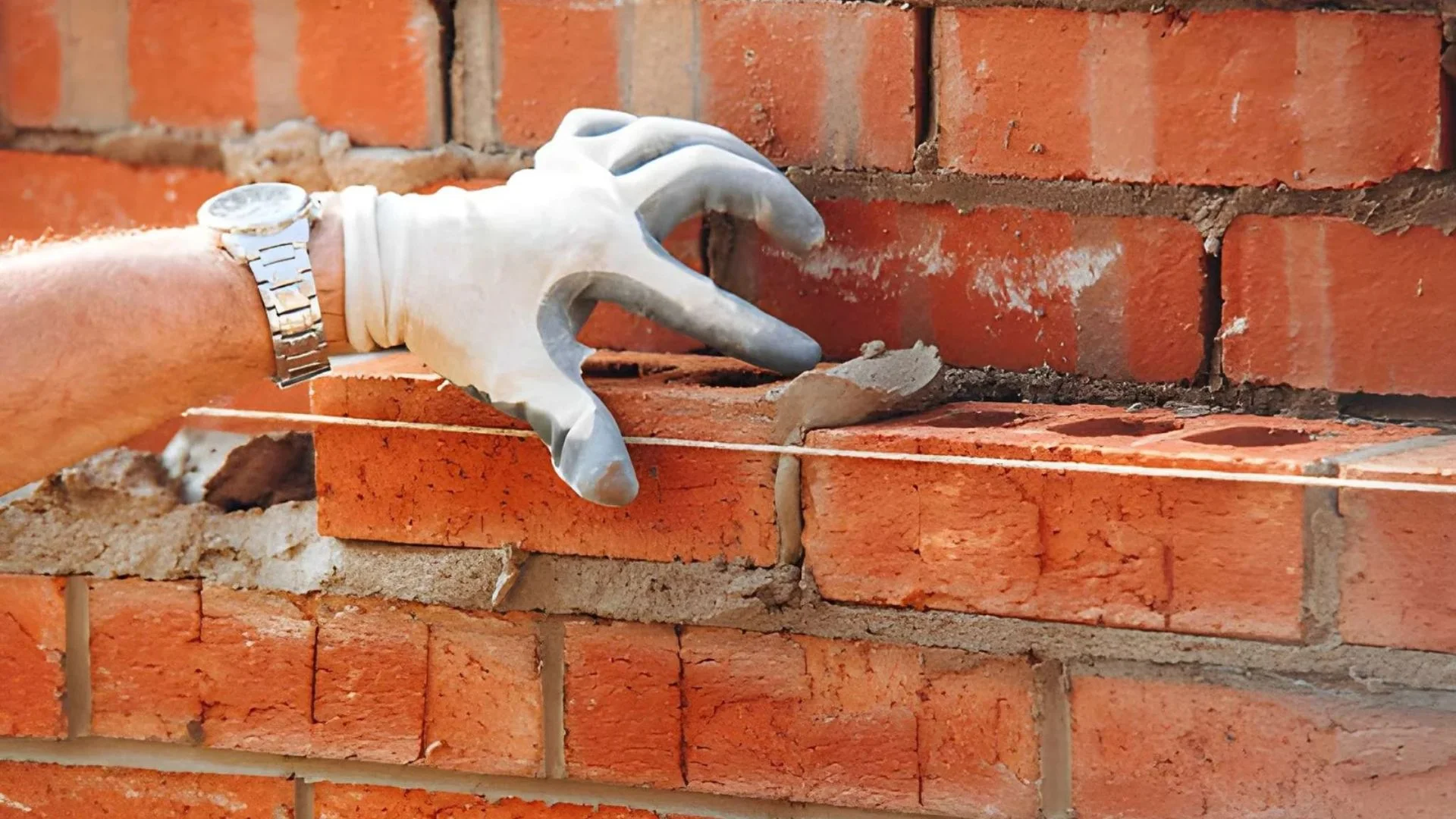
Harlem combines prewar apartment buildings, brownstones, rowhouses, and mixed-use properties across neighbourhoods such as Hamilton Heights and Central Harlem. Older façades can show open joints, weathered brick, parapet deterioration, and water-related staining after years of exposure.
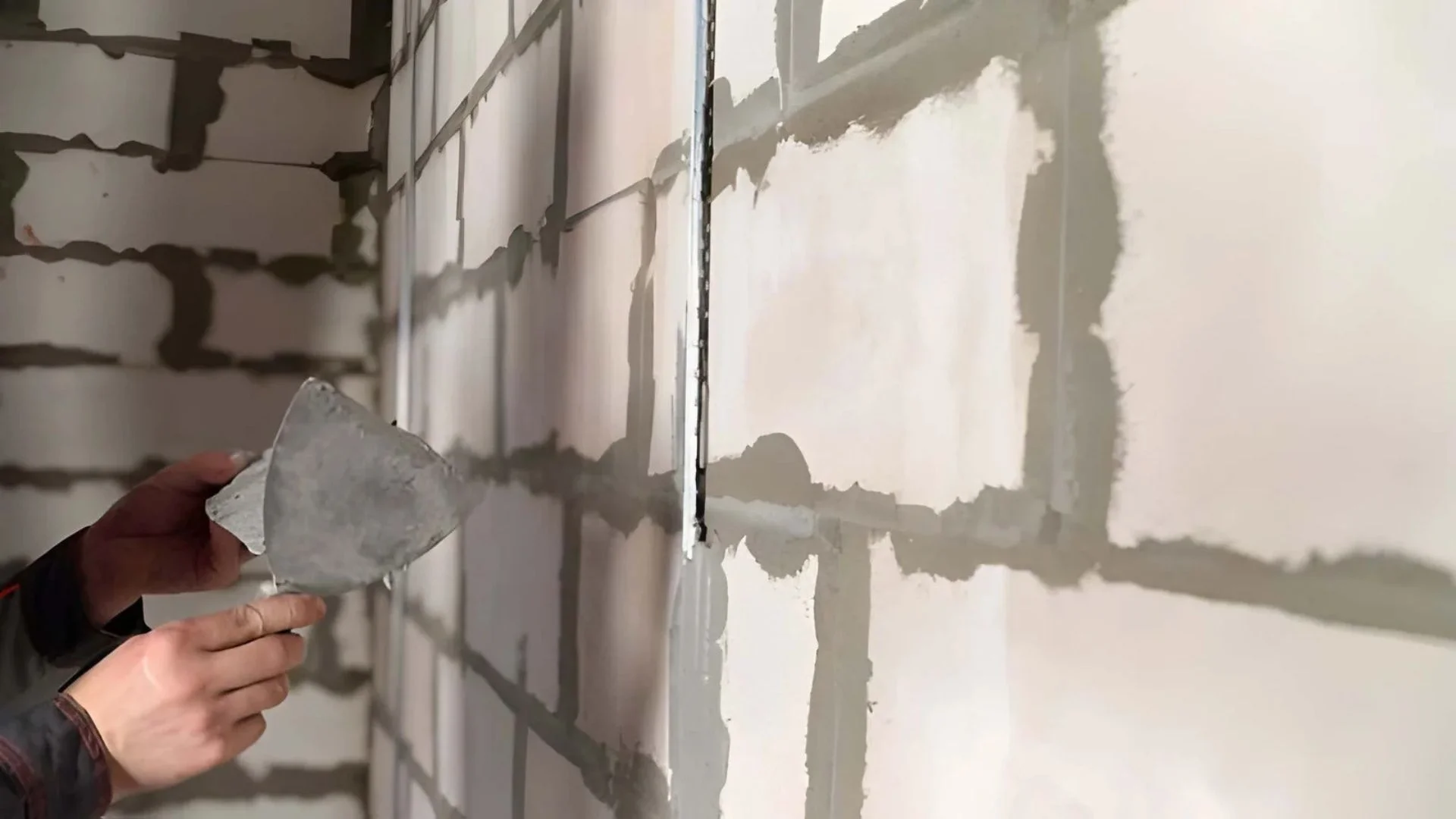
The Upper West Side is dominated in many areas by large prewar apartment and co-op buildings, particularly along Broadway, Amsterdam Avenue, Columbus Avenue, and Central Park West. Exterior deterioration around window openings, cornices, parapets, and mortar joints can become significant during recurring façade inspections.
The East Village contains a mix of historic rowhouses, tenements, converted lofts, and newer residential buildings. Around streets within and near designated historic districts, replacement materials and joint profiles may need to respect the character of the existing façade.
Washington Heights contains substantial prewar apartment stock, particularly around Broadway, Fort Washington Avenue, Cabrini Boulevard, and nearby side streets. Common exterior concerns include deteriorated joints, cracked brick around openings, aging lintels, and parapet deficiencies.
For buildings subject to FISP, façade inspections occur on a recurring cycle and can identify conditions requiring maintenance or corrective work. On older co-ops, findings may involve deteriorated mortar joints, cracked or displaced brick, lintel corrosion, parapet problems, or areas where water is entering the wall assembly.
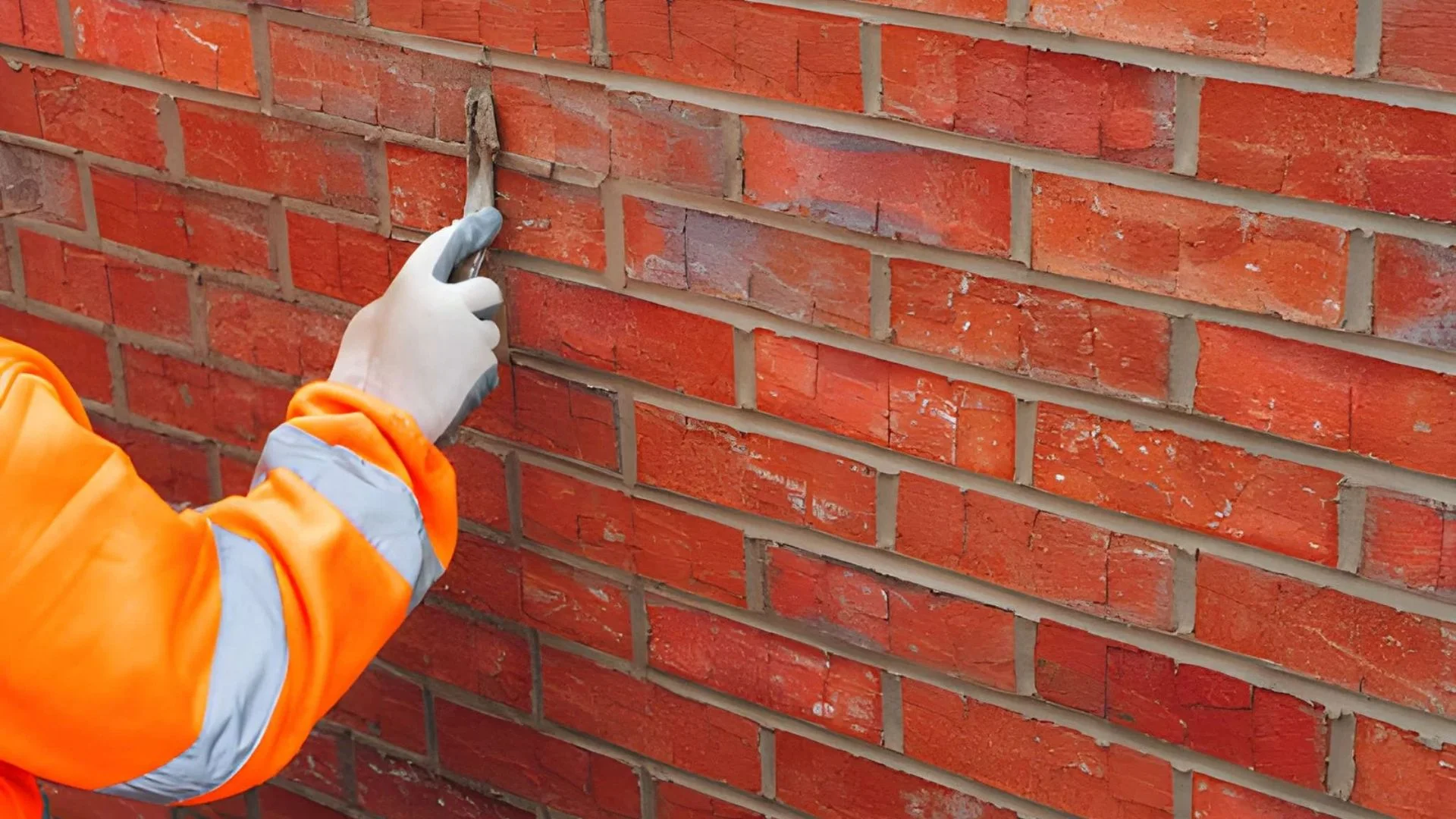
Manhattan contains numerous historic districts, including Greenwich Village, SoHo-Cast Iron, Tribeca, and the Upper East Side. Exterior work within designated areas may involve Landmarks Preservation Commission requirements depending on the property and scope.
A co-op or condominium board may need photographs, defined quantities, proposed methods, pricing, and supporting information before approving exterior work. Our estimates are prepared with that review process in mind. Where an engineer, architect, or QEWI is involved, the proposed scope can be coordinated with the professional documentation governing the project.
Decorative joint restoration where the finished mortar profile and visual definition of the façade are important.
Removal of deteriorated joint material and installation of compatible replacement mortar where joints have lost their weather-resistant function.
Localised treatment of individual failed joints, cracks, or small areas without unnecessarily disturbing surrounding sound material.
Treatment of cracked, spalled, chipped, or otherwise damaged brick, including replacement where an individual unit cannot be effectively restored.
Maintenance of exposed chimney joints affected by rain, freeze-thaw cycles, and long-term weathering.
Correction of deteriorated joints, cracking, displaced masonry, and other defects affecting parapet sections.
Treatment of corroded or deteriorated steel lintels and the surrounding brickwork affected by expansion and moisture.
Exterior moisture-management measures for vulnerable wall areas where water penetration is contributing to deterioration.
Localised restoration of cracked, detached, or deteriorated exterior stucco surfaces.
Coordinated restoration when deterioration extends across multiple components of a building envelope rather than a single isolated defect.
→ Explore More About How We Can Help You
We understand the additional review involved when work affects a co-op or condominium. Property managers and boards need a clearly defined scope before committing building funds.
This borough contains extensive prewar and historic construction. Replacement mortar and masonry materials need to be selected with the existing wall assembly in mind, particularly where historic fabric is involved.
We provide photographs, condition observations, defined work areas, and itemised estimates to make the proposed scope easier for boards, property managers, engineers, and other project professionals to review.
We inspect the affected areas before recommending a scope, helping distinguish isolated deterioration from conditions that may require broader façade attention.
We cover properties throughout this borough, including Harlem, Washington Heights, Inwood, the Upper West Side, Upper East Side, Midtown, Chelsea, Greenwich Village, SoHo, Tribeca, the East Village, Lower East Side, and Lower Manhattan.
Yes. We work with boards, managing agents, property managers, building owners, engineers, and other project professionals when exterior work is being planned.
FISP applies to buildings higher than six stories. Manhattan contains a particularly high concentration of taller residential, commercial, and mixed-use buildings, so many properties require recurring façade inspections and associated maintenance.
Potentially. Exterior alterations to designated landmark properties and buildings within historic districts may require LPC review depending on the location and scope. Ordinary maintenance can be treated differently from alterations, so the specific project should be evaluated before work begins.
We document the affected areas, define the proposed scope, and provide an itemised estimate that can be reviewed by the board or property manager. If an engineer or other qualified professional is directing the project, we can coordinate the field scope with their requirements.
From prewar co-ops around the Upper West Side and Harlem to landmarked properties in Greenwich Village, SoHo, and Tribeca, Manhattan buildings present different façade conditions from block to block. Get an on-site assessment, photographs, and an itemised scope that your board, property manager, or project professional can review.