
+1 (917) 352-1191
Phone number
info@tuckpointingnyc.com
Email address
2 W 46th St, New York, NY 10036
Address location
Damaged masonry units can deteriorate quietly until cracks, surface loss, or movement become visible. Our brick repair NYC service focuses on the units themselves, including cracked, spalled, loose, and missing masonry. Our team at NYC Tuck Pointing works across all five boroughs on individual replacements and smaller sections of deteriorated masonry.
Request a Free Brick Repair Inspection
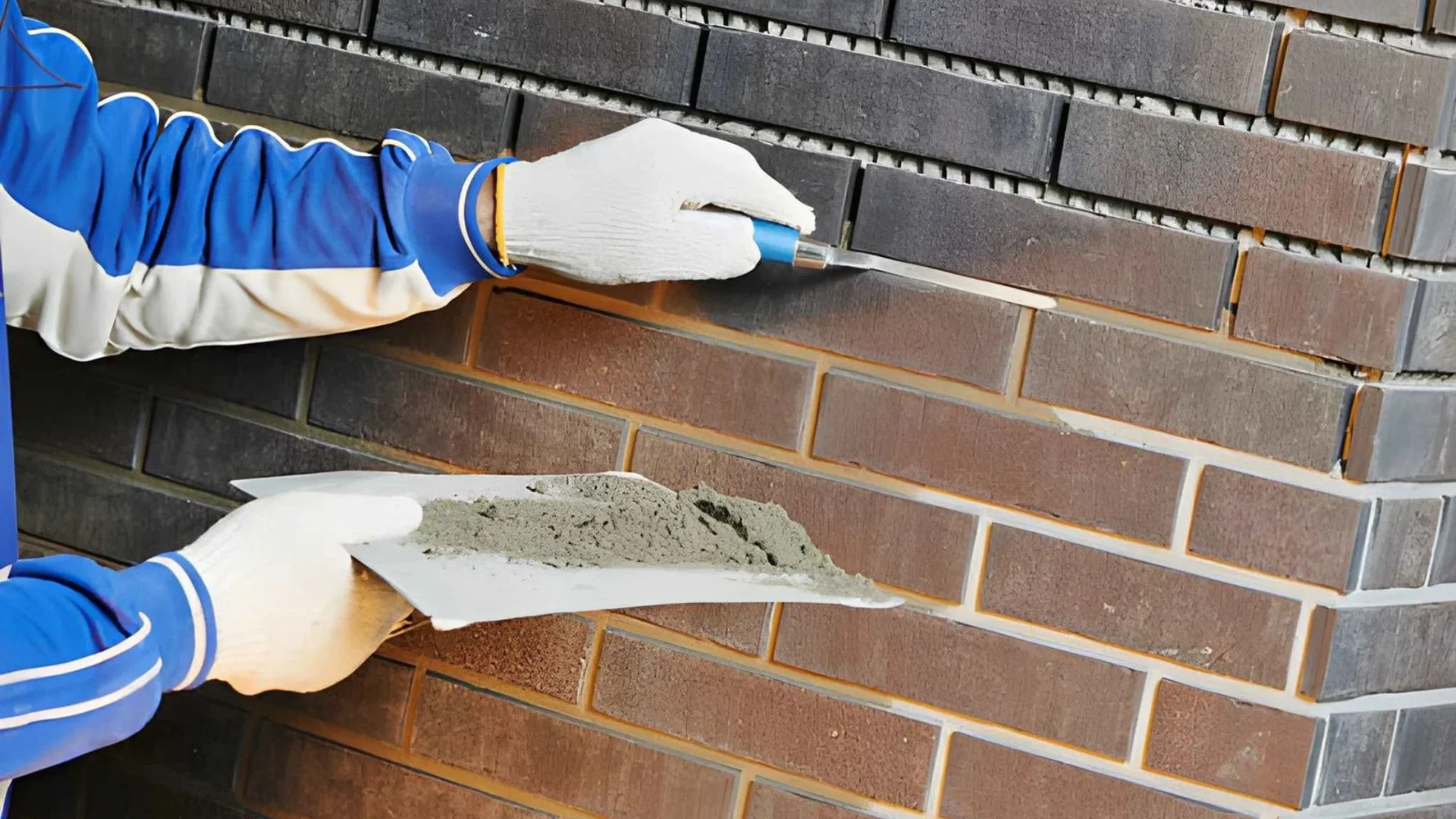
This covers the diagnosis and correction of problems affecting individual masonry units rather than the material between them. Depending on the condition, the solution may involve replacing a single damaged unit, resetting one that has shifted, or rebuilding a limited section.
The distinction is important when deciding what work a building actually needs. Intact units with deteriorated joints require a different treatment from masonry that has itself cracked, spalled, or become unstable.
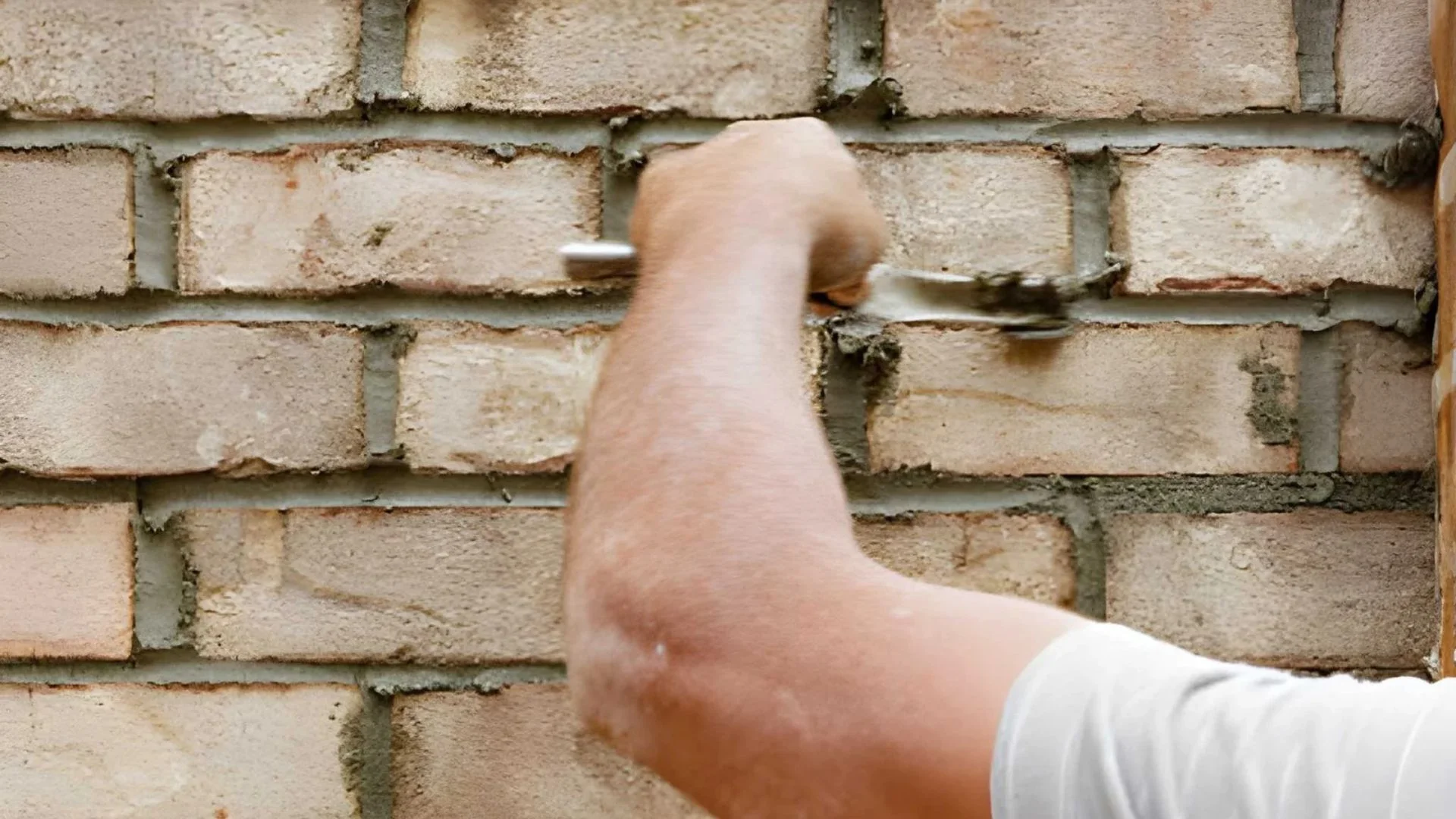
Spalling occurs when the face of a masonry unit flakes, chips, pops, or breaks away. Moisture absorption is a common contributor, particularly when saturated material is repeatedly exposed to freezing and thawing.
As the surface deteriorates, additional moisture can reach deeper portions of the unit. The extent of damage determines whether the affected piece can remain in place or should be replaced.
Cracks may run vertically, diagonally, horizontally, or through individual units. Their position and pattern can provide useful clues about the underlying cause.
Cracking around windows and doors, for example, can sometimes be associated with corrosion of a steel lintel. Other situations may involve movement, water exposure, impact, or deterioration within the surrounding facade.
A unit that rocks, projects outward, has moved from its original position, or no longer aligns with neighbouring masonry should be assessed promptly.
Movement can result from deteriorated joints, corrosion behind an opening, displacement, or other conditions affecting the wall. Simply securing the visible unit may not address the reason it moved.
Loose or deteriorated exterior masonry can present a falling-object concern, particularly when located above sidewalks, entrances, or other pedestrian areas. Such conditions may also attract attention through a Department of Buildings inspection or complaint.
A recurring cause of cracking above windows and doors is corrosion affecting the steel lintel that supports masonry over the opening. As steel corrodes, it can expand and exert pressure. In that situation, replacing the visibly damaged pieces without addressing the supporting steel may leave the underlying problem unresolved.
If our assessment identifies this condition, see our Lintel Repair page for the related structural work.
A damaged unit can create pathways for moisture to reach areas that were previously protected. Continued exposure may affect neighbouring masonry, joints, or concealed portions of the wall. Early assessment helps establish whether the defect is isolated or connected to a broader pattern of deterioration.

We examine the affected units and surrounding facade to determine the extent and character of the damage. Our assessment considers cracking, surface loss, displacement, moisture exposure, nearby joints, openings, and possible contributing conditions.
Units that cannot reasonably remain in place are carefully taken out while limiting disturbance to adjacent sound masonry. The opening is prepared for the replacement material, with attention given to the condition of the surrounding joints and units.
A suitable replacement needs to do more than look generally similar. We consider dimensions, colour, texture, surface characteristics, and the existing bond pattern. This is particularly important on older buildings, where original products may have weathered over time or may no longer be manufactured.
The replacement unit is positioned within the prepared opening and secured as part of the surrounding masonry assembly. Where installation affects adjacent joints, those areas are finished appropriately. If deterioration extends beyond the replacement area, our Brick Pointing & Repointing service.
After installation, the work area is cleared and the completed section is checked. Photo records can be supplied on request for property managers, co-op boards, owners, or building files. Where a property has an existing DOB matter, documentation should be retained alongside the applicable official records.
We work with a range of NYC property types, including:
The required scope varies from property to property. A single failed unit does not necessarily indicate that an entire wall requires reconstruction, while widespread deterioration should not be treated as an isolated defect.
We serve residential and commercial properties throughout Manhattan, including individual homes, multi-unit buildings, and older masonry structures.
Our team works across Brooklyn on damaged exterior units and limited masonry sections.
Property owners throughout Queens can request an assessment for deteriorated, displaced, or missing masonry.
We provide exterior masonry services throughout the Bronx for residential and commercial properties.
We serve properties throughout Staten Island where individual units or limited sections require attention.
Rather than treating every visible defect the same way, we assess the unit, surrounding area, and possible source of deterioration before recommending a scope.

The distinction is the material being restored. This service addresses damaged masonry units, while repointing replaces deteriorated material within the joints between those units. A building can require both treatments when the units and their surrounding joints have deteriorated.
Several conditions can contribute, including moisture penetration, freeze-thaw exposure, physical impact, movement, and corrosion around structural openings. A rusting lintel can place pressure on masonry above windows and doors as the steel expands during corrosion. The actual cause should be established through an on-site assessment rather than assumed from appearance alone.
In many cases, a close match can be sourced by comparing dimensions, colour, texture, and surface characteristics. Older properties can present additional challenges because their original products may no longer be manufactured or may have changed appearance through decades of weather exposure.
It can be, particularly when masonry is loose, deteriorated, or positioned where falling material could endanger pedestrians. The classification of a specific condition depends on the property and applicable NYC requirements. If you have received a complaint or violation, provide the relevant documentation during the inspection.
Examine whether the masonry units themselves are damaged or whether the problem is limited to their joints. Cracks, spalling, missing pieces, displacement, or looseness indicate a unit-level problem. Intact units surrounded by deteriorated joints point toward a different scope. Some buildings have both conditions.
Photo documentation of completed work is available on request. This can help owners, property managers, and boards maintain records of the completed work. Any formal submission requirements should be confirmed against the specific DOB matter because documentation requirements can vary by case.
Don't wait for visible deterioration to become a larger facade concern. Get a free inspection, understand what caused the damage, and receive an itemised estimate based on the actual condition.