
+1 (917) 352-1191
Phone number
info@tuckpointingnyc.com
Email address
2 W 46th St, New York, NY 10036
Address location
The Bronx has one of the most varied residential building landscapes in New York City. Alongside pre-war apartment buildings, you'll find attached homes, brick rowhouses, six-story walk-ups, mid-century multifamily properties, and newer construction. The condition of exterior walls can therefore differ significantly from one neighborhood to another.
Our crew at NYC Tuck Pointing works on different property types throughout the borough, from localized joint restoration to larger facade projects. We assess the existing materials, document visible deterioration, and develop a scope around the actual condition of the building rather than applying the same treatment to every property.
Request a Free Inspection in the Bronx

Riverdale's older housing stock includes detached homes, attached residences, brick properties, and buildings with traditional architectural details. Mortar matching is particularly important when restoring visible joints on older facades, where a modern-looking finish can stand out against the surrounding wall.
Properties near Fieldston and the area's older residential streets can also contain masonry details that require more careful assessment before work begins. We evaluate the existing joint profile, brick condition, previous alterations, and surrounding materials before preparing an estimate.
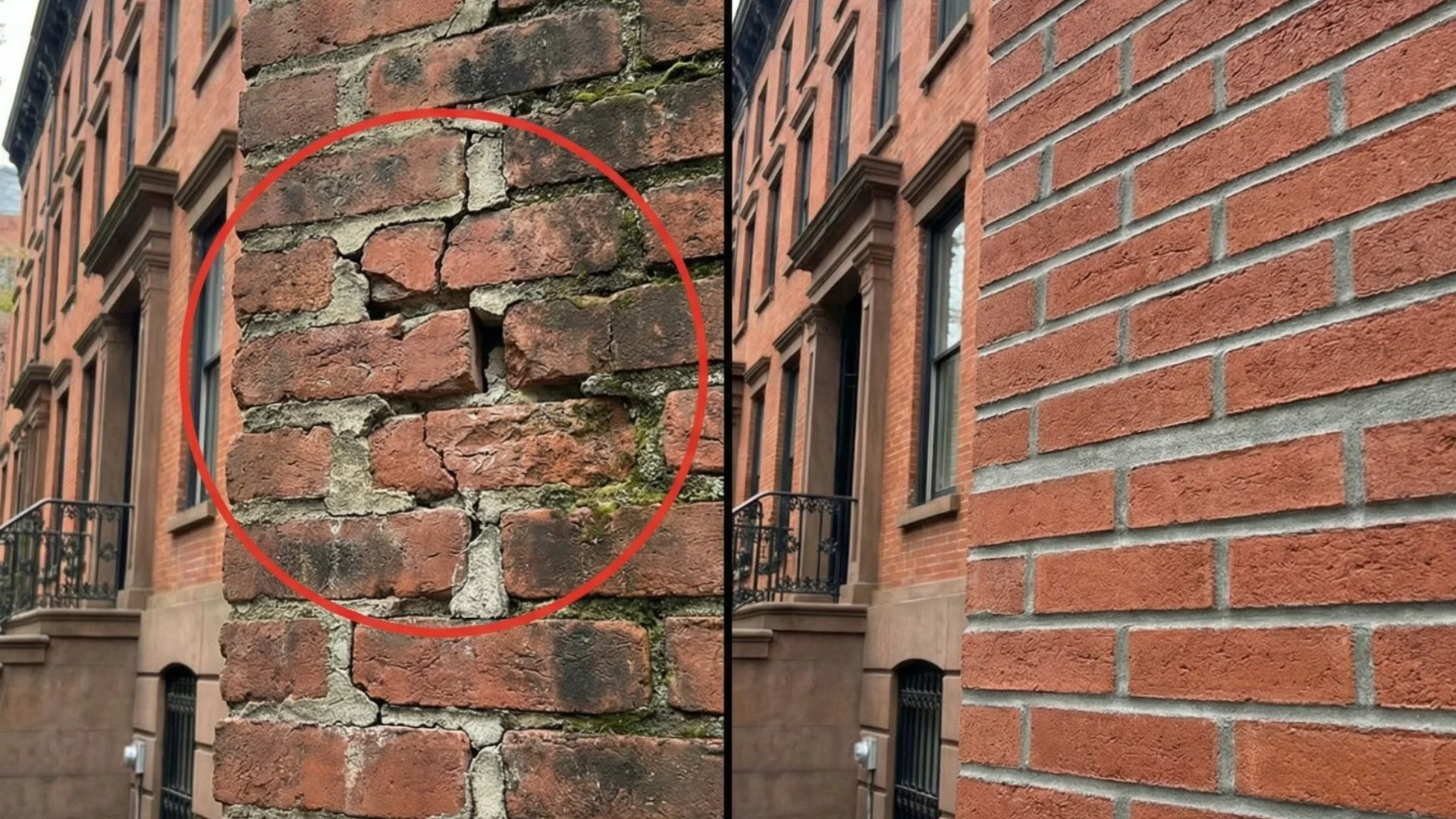
Fordham has a substantial concentration of pre-war apartment buildings, many constructed with brick exterior walls and traditional mortar joints. Decades of weather exposure can leave joints recessed or cracked, while aging steel above windows can contribute to cracking in nearby brickwork.
For property owners and managers, identifying the source of deterioration matters. Treating only the visible crack without addressing the underlying condition can leave the surrounding wall vulnerable to further damage.
Mott Haven combines historic rowhouse-style properties, older apartment buildings, converted industrial structures, and newer residential development. The neighborhood's mix of construction ages means exterior conditions can vary considerably even between adjacent properties.
On taller multifamily buildings, owners may also need to address conditions identified during periodic facade inspections. We can review the documented findings and coordinate the field scope with the property's design professional.
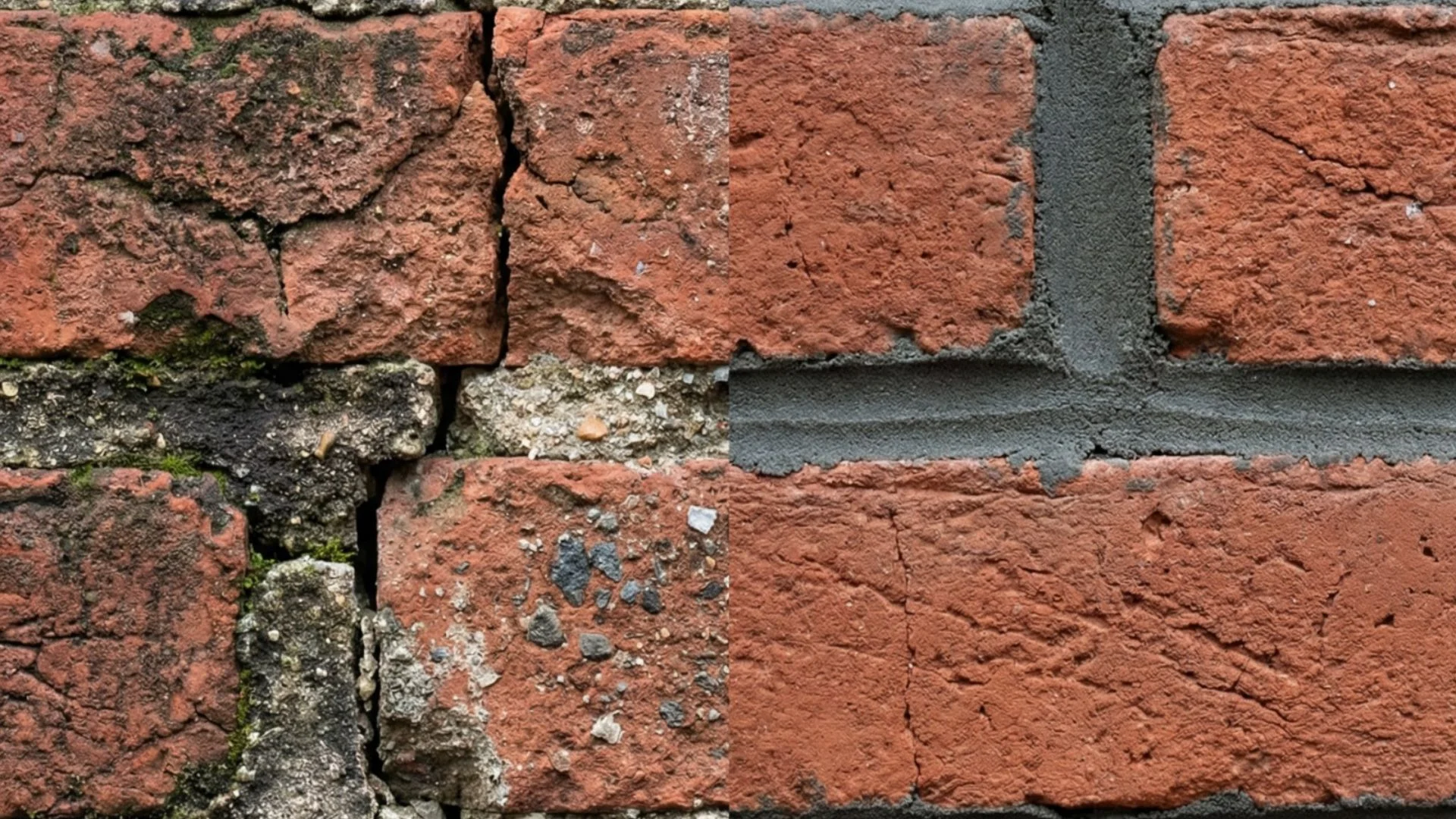
Older apartment buildings can retain original or early-generation mortar that has experienced decades of rain, temperature changes, freeze-thaw cycles, and pollution. Recessed joints, cracking, powdering, and missing material can gradually expose surrounding brick to greater moisture penetration.
The appropriate treatment depends on the existing wall. Older construction may require a compatible mortar rather than simply using the hardest available modern mix.
Steel lintels above windows and doors can corrode over time as moisture reaches exposed metal. Expanding rust can place pressure on adjacent brick, producing horizontal cracks, displaced units, or localized spalling.
This pattern is particularly important on apartment buildings with repeated window openings. Addressing the visible brick alone may leave the underlying steel condition unresolved, so the surrounding assembly should be assessed before the final scope is determined.
Buildings more than six stories high are subject to New York City's periodic facade inspection requirements. A QEWI evaluates exterior walls and appurtenances and documents conditions requiring attention.
When an inspection identifies deteriorated joints, loose brick, parapet concerns, lintel deterioration, or other exterior deficiencies, we can complete the specified field work and provide photographs for the property's records and professional team.
Detailed mortar joint restoration for older residential properties and visible brick facades where joint appearance and material compatibility matter.
Removal of deteriorated joint material followed by installation of compatible new mortar in affected wall sections.
Localized treatment for isolated areas of joint deterioration where surrounding material remains sound.
Replacement or restoration of cracked, spalled, loose, or severely weathered brick units.
Weather-exposed chimney joint restoration designed around the existing brickwork and condition of the upper structure.
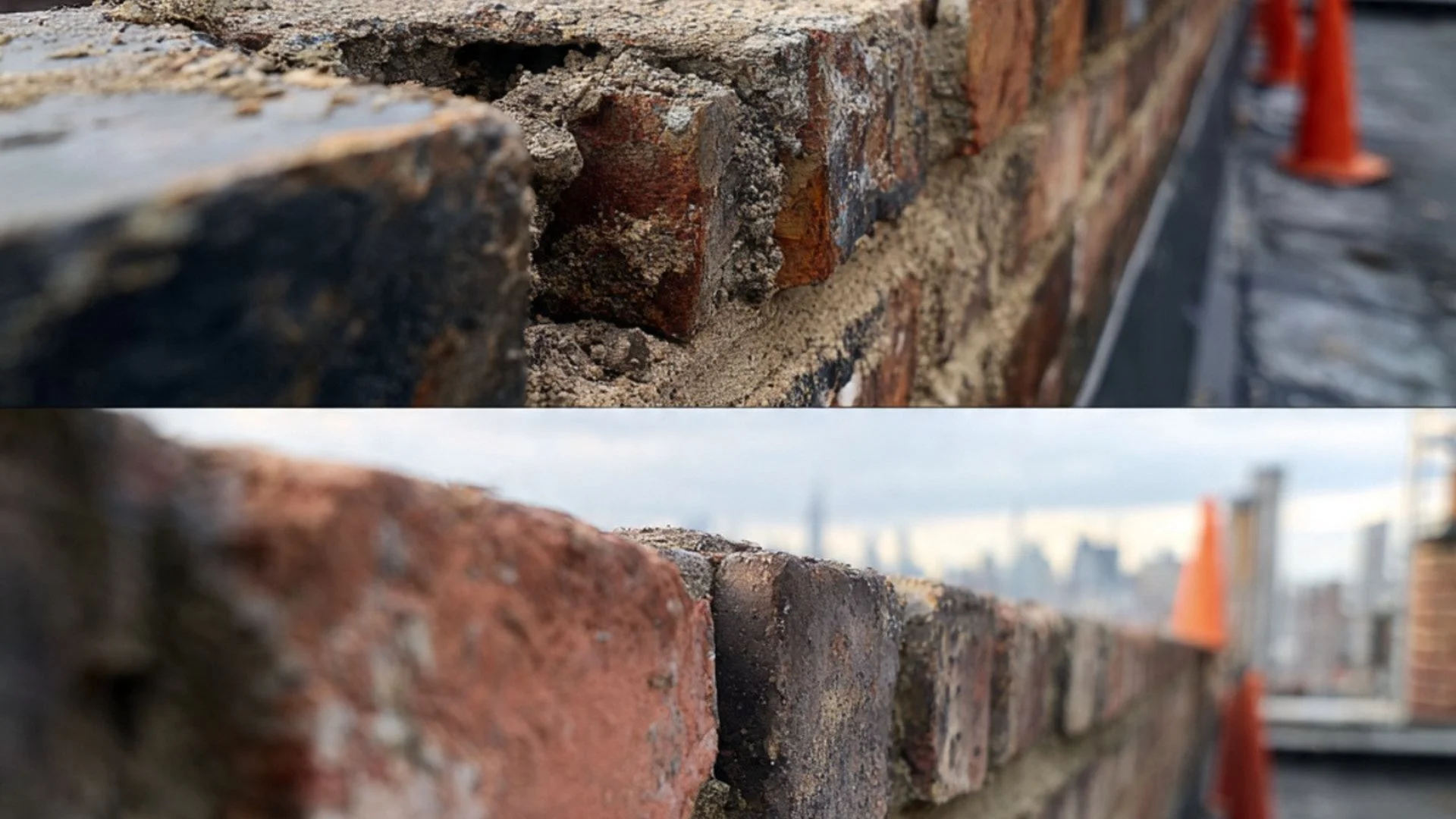
Corrective work for deteriorated roofline walls, loose units, failing joints, and other conditions affecting the parapet.
Assessment and restoration of steel lintels affected by corrosion, movement, or deterioration around window and door openings.
Protective treatment for suitable exterior surfaces following necessary restoration, helping reduce future moisture entry.
Restoration of traditional stucco and EIFS surfaces affected by cracking, impact, deterioration, or moisture-related problems.
Coordinated exterior work for properties with several overlapping deficiencies requiring a broader project scope.
Yes. We provide on-site assessments throughout the borough and prepare itemized estimates based on the property's visible condition and requested scope.
There is no single condition across every property. Older buildings frequently show deteriorated mortar joints, while multifamily properties can also develop lintel corrosion, cracked brick, spalling, and parapet deterioration.
Yes. When an engineer or QEWI identifies exterior deficiencies, we can complete the specified corrective scope and provide project photographs for professional review and property records. Our compliance page explains the broader inspection process.
Availability depends on the current project schedule and the property's location. We aim to arrange assessments promptly so owners and managers can understand the condition and estimated scope before making a decision.
From older Riverdale residences to pre-war Fordham apartments and larger multifamily properties around Mott Haven, exterior conditions vary from building to building. Get a site assessment, an itemized scope, and an explanation of what needs attention.