
+1 (917) 352-1191
Phone number
info@tuckpointingnyc.com
Email address
2 W 46th St, New York, NY 10036
Address location
Brooklyn's streetscape is defined by historic brownstones, attached rowhouses, brick apartment buildings, and landmarked residential blocks. The colour, joint profile, aggregate, texture, and compatibility of new mortar can all affect how an older facade looks and performs.
NYC Tuck Pointing assesses the existing construction before recommending a scope, particularly on older buildings where inappropriate materials or aggressive methods can create additional deterioration.
Request a Free Inspection in Brooklyn
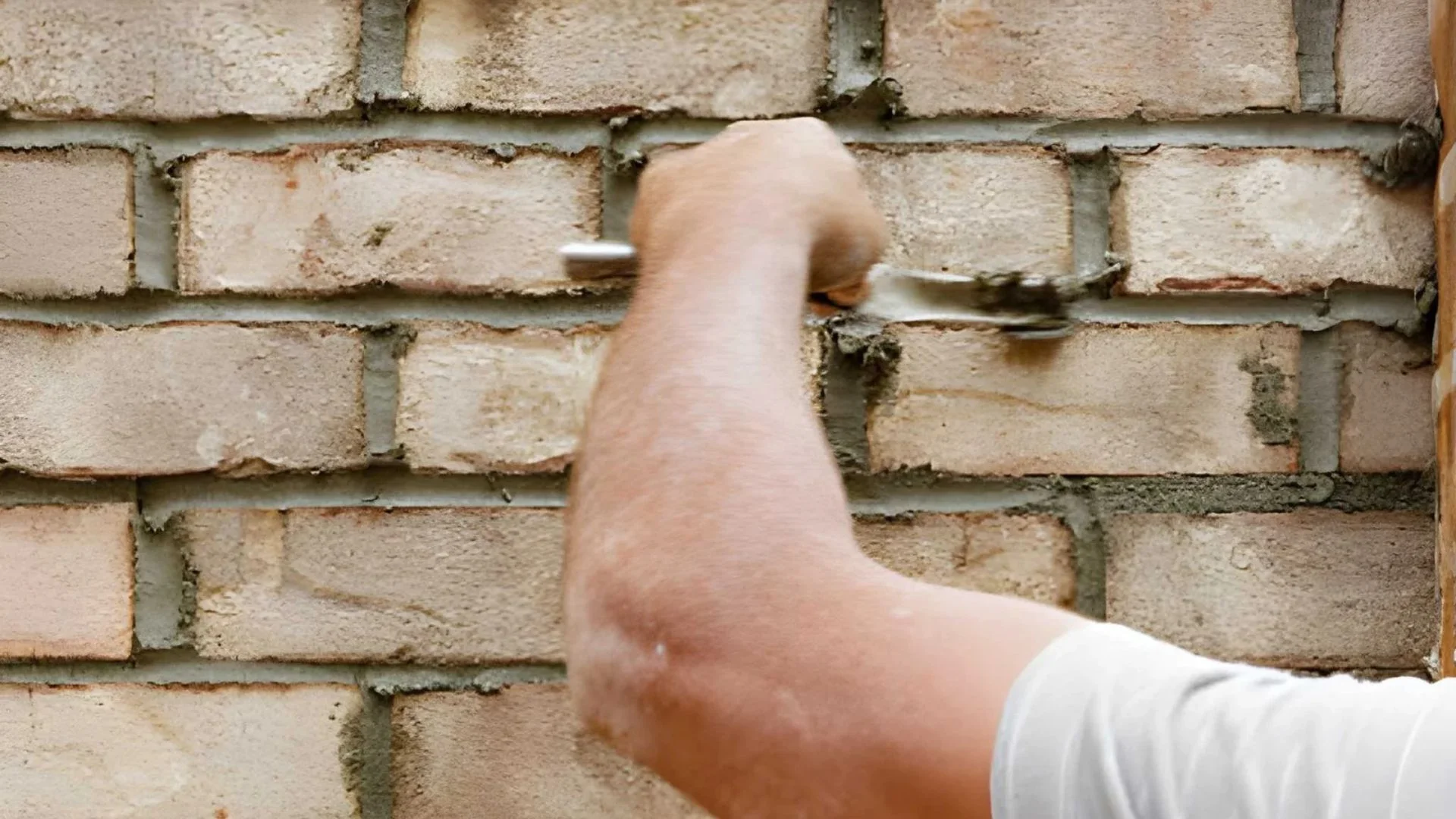
Park Slope is known for long stretches of attached brownstone and rowhouse construction, particularly around its historic district. Original facades often contain decorative stone, brick, pressed details, and traditional joint profiles that need to remain visually consistent after restoration.
On these properties, we assess the existing mortar and surrounding brick before determining the appropriate treatment. Matching the colour and texture of the existing work can be just as important as addressing the deteriorated joints themselves.

Bedford-Stuyvesant contains one of the city's most recognizable concentrations of historic brownstone and rowhouse architecture. Conditions can vary substantially from one block to another because individual properties may have undergone different renovations, previous joint work, or facade alterations.
We evaluate previous materials and visible deterioration before preparing a scope, helping property owners avoid unnecessary work on areas that remain sound.
Brooklyn Heights was designated New York City's first historic district in 1965. Its streets contain historic rowhouses, brick residences, and buildings with detailed architectural features that make visual consistency especially important.
Work on these properties may involve close attention to existing joint profiles, brick colour, stone elements, and surrounding decorative details. Owners should also confirm whether proposed exterior work requires approval before proceeding.
Bay Ridge and Williamsburg present a broader mix of rowhouses, apartment buildings, commercial properties, and newer construction. Their exterior conditions therefore range from traditional joint deterioration to brick replacement, lintel corrosion, parapet defects, and moisture-related damage.
Our assessment considers the property's age, construction type, previous alterations, and visible condition before recommending the appropriate scope.
One recurring problem on older brownstones is incompatible mortar from previous work. Traditional masonry may have been built with softer lime-based material, while later fixes sometimes introduced harder cement-rich mixes.
A material that appears strong can still be unsuitable for an older wall. Differences in hardness and moisture movement can place stress on adjacent brick or stone. Proper restoration therefore starts with understanding the original construction rather than automatically selecting the hardest available product.

Historic districts can place additional requirements on visible exterior alterations. The exact approval process depends on the property, location, proposed work, and historic designation.
For owners of brownstones and other protected buildings, the finished appearance matters alongside durability. Joint colour, tooling, brick replacement, stone treatment, and other visible details may need to remain consistent with the building's existing character.
Brooklyn's taller apartment and commercial buildings are subject to the City's facade inspection requirements. When a QEWI identifies deteriorated joints, lintel deterioration, or other exterior deficiencies, corrective work may be required within the applicable timeframe.
We can review the documented findings, establish the field scope, complete the specified work, and provide project photographs for the property's engineer or QEWI.
Restore mortar joints on brownstones, rowhouses, and exposed brickwork with attention to finish and material compatibility.
Remove deteriorated mortar and replace it with material suited to the existing masonry.
Repair isolated joint failures while preserving surrounding sound mortar.
Restore or replace cracked, spalled, loose, or weathered bricks while maintaining a compatible appearance.
Fix weathered chimney joints affected by moisture, exposure, and seasonal temperature changes.
Address deteriorated roofline masonry, loose units, open joints, and related defects.
Fix corroded or displaced steel lintels and masonry around window and door openings.
Apply suitable moisture-control treatments after necessary masonry repairs are completed.
Restore cracked, damaged, or moisture-affected stucco and EIFS surfaces.
Coordinate broader exterior repairs when multiple masonry and facade defects require one restoration scope.
Yes. Historic brownstone and rowhouse properties form an important part of our work, particularly where deteriorated joints need to blend with existing materials and architectural details.
Potentially. Properties within designated historic districts may require approval for visible exterior alterations. Requirements depend on the property's designation and proposed scope, so owners should confirm the applicable rules before starting work.
Incompatible previous mortar work is one recurring concern. Older walls can also develop recessed joints, cracked brick, spalling, moisture-related deterioration, and damage around openings.
Yes. We can complete corrective exterior work identified through the inspection process and provide project documentation for the property's engineer or QEWI.
From the historic rowhouse blocks of Park Slope and Bed-Stuy to the protected streetscape of Brooklyn Heights, every older facade has its own materials, alterations, and maintenance history. Get a free inspection and an itemized estimate based on the actual condition of your property.